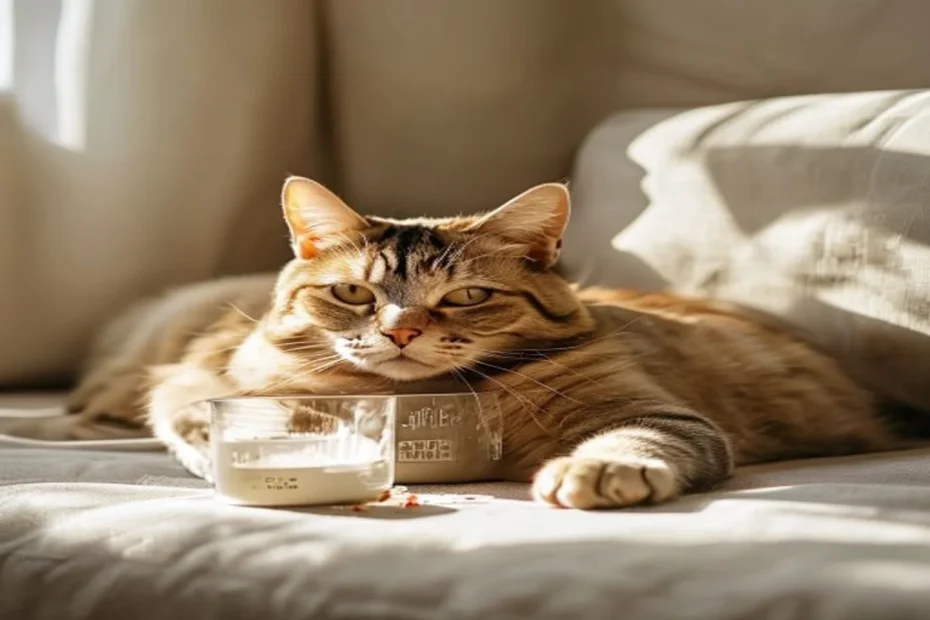
Your indoor cat or dog has it pretty good. Warm spot on the couch, food twice a day, no predators, no cold nights. But that comfortable apartment life has a downside that sneaks up slowly: weight. Obesity in indoor pets is one of the most common health problems vets see, and most owners do not notice it until the extra pounds are already there.
The tricky part is that it happens gradually. A treat here, a smaller walk there, a lazy winter, and one day your pet is carrying weight that strains their joints and their heart.
The good news? It is very preventable, and often reversible. This guide shows you how to spot the early signs and how to keep your indoor pet at a healthy weight without making either of you miserable.
How to tell if your pet is overweight
You do not need a scale to start. The most useful tool is the body condition score, a simple hands-on check that vets use. It works for both cats and dogs.
Run your hands along your pet’s sides. You should be able to feel their ribs easily, with just a thin layer of fat over them, like feeling the back of your hand. If you have to press hard to find ribs, there is too much padding. If the ribs stick out sharply, your pet may be too thin.
Then look from above. A healthy pet has a visible waist, a slight tuck behind the ribs. From the side, the belly should tuck up, not hang down or run straight across. A round, sagging shape from above usually means extra weight.
Numbers help too. Ask your vet for the ideal weight range for your specific pet, since it varies a lot by breed and frame. A weight check at every vet visit catches problems early.
Why indoor pets gain weight
Understanding the causes makes prevention much easier. Most indoor weight gain comes down to a few habits that are simple to adjust.
Free feeding and guessing portions
Leaving a full bowl out all day is the fastest route to a chubby pet. Many cats and dogs will eat out of boredom, not hunger. Switch to measured meals and use an actual measuring cup, not a coffee mug or a guess. The feeding guide on the bag is a starting point, not a rule, and it often overestimates.
Too many treats
Treats add up fast. A few biscuits a day can be a big chunk of a small pet’s calories. If you train a lot or share snacks, count treats as part of the daily food, not extra on top. Break treats into tiny pieces. Your pet cares about getting a reward, not the size.
Not enough movement
Apartment life means less natural exercise. A cat that used to roam now naps all day. A dog that needs a real run gets three short potty breaks. Less activity plus the same food equals slow weight gain. Building in daily play and walks fixes a lot.
Age and neutering
Older pets burn fewer calories, and spaying or neutering lowers a pet’s energy needs. Both are normal and healthy, but they mean the portions that worked at age two may be too much at age six. Adjust food as your pet ages.
Quick answers
How can I tell if my indoor cat is overweight?
Feel for the ribs (you should feel them under a thin layer of fat) and look for a waist from above. A round belly that swings when they walk and ribs you cannot feel are signs of extra weight.
How much should I feed my pet to prevent obesity?
Use measured meals based on your pet’s ideal weight, not their current weight. Start with the bag’s guide, then adjust with your vet. Count treats inside that total, not on top of it.
Can an overweight pet lose weight safely?
Yes, but slowly. Fast weight loss is dangerous, especially for cats, who can develop serious liver problems if they stop eating. Always plan a weight loss program with your vet.
Is it normal for pets to gain weight after being neutered?
Their calorie needs drop after the procedure, so weight gain is common if portions stay the same. Trimming food slightly and keeping them active usually prevents it.
Tips and common mistakes to avoid
A few small changes make a real difference. Here are the habits worth building, and the traps that catch most owners.
- Weigh your pet at home if you can. For small dogs and cats, step on a scale holding them, then subtract your own weight.
- Feed meals at set times instead of leaving food out. This also tells you fast if your pet stops eating, which matters.
- Use puzzle feeders and slow bowls. They turn eating into activity and stop your pet from inhaling a meal in ten seconds.
- Make play part of the routine. Ten to fifteen minutes of chasing a wand toy or a fetch session, twice a day, adds up.
- Do not crash diet a pet on your own. Cutting food too hard, too fast can do real harm.
- Resist the sad eyes. Begging is a habit, not starvation. More attention or a short play session often satisfies the same need.
When should you see a vet? If your pet has gained weight quickly without eating more, if their belly looks swollen, or if they seem tired, breathless, or reluctant to move, book a visit. Sudden changes can point to a health issue that needs more than a diet, so consult your vet rather than guessing.
Conclusion
Keeping an indoor pet at a healthy weight is mostly about small, steady habits: measured meals, counted treats, daily movement, and a quick rib check every couple of weeks. Catch the creep early and you avoid the joint, heart, and energy problems that come with extra weight.
Start today with one thing. Measure the next meal with a real cup and watch the bowl. Then book a weigh-in at your next vet visit and ask for your pet’s ideal weight range. For any weight loss plan, especially with cats, always consult your vet so you do it safely.
You might also like
- How to Tell If Your Pet Is in Pain
- What Human Foods Are Dangerous
- How to Set Up a Pet Feeding Station
FAQ
How often should I check my pet’s weight?
A hands-on rib and waist check every two weeks is enough for most pets. Get an actual weight at every vet visit, or monthly at home if your pet is on a weight plan.
Are some breeds more likely to get overweight?
Yes. Some cat and dog breeds gain weight more easily, and indoor life adds to the risk for any pet. Ask your vet about your specific breed so you can adjust food and activity early.
Will my cat stop loving me if I cut back its food?
No. Cats beg out of habit, not just hunger. Swap a few treats for play and attention, feed measured meals, and your bond stays exactly the same while their waistline improves.

Jamie Cole is a content creator focused on practical pet care for apartment living. At NestPath, Jamie shares straightforward guides on cat and dog care, pet behavior, and making small spaces work for both owners and their animals. The goal is clear, judgment-free advice for everyday pet owners who just want to do right by their pets.