Signs Your Dog May Have Joint Pain and What to Do
In this article
Signs Your Dog May Have Joint Pain and What to Do
Dogs don’t complain about pain the way people do. Instead, they change their behavior in ways that owners sometimes attribute to aging, laziness, or mood. Joint pain (from arthritis, hip dysplasia, or injury) is one of the most common and under-recognized health issues in adult and senior dogs.
Knowing what to look for means you can catch it early, when management is most effective.
Behavioral Signs of Joint Pain
Reluctance to do things they used to do easily
- Hesitating before jumping on the sofa or bed
- Slowing down on stairs or avoiding them entirely
- Sitting instead of lying down, or trouble getting up from lying down
- Lagging behind on walks that used to be no problem
Changes in posture and movement
- Stiffness in the morning that improves after they warm up
- Limping or favoring one leg intermittently
- Moving with a lower head carriage than usual
- Bunny-hopping with the hind legs instead of moving each leg separately
Behavioral shifts
- Becoming irritable when touched in certain areas
- Snapping or growling when a previously-tolerated touch happens
- Licking or chewing at a specific joint repeatedly
- Sleeping more than usual, less interest in play
What to Do If You Notice These Signs
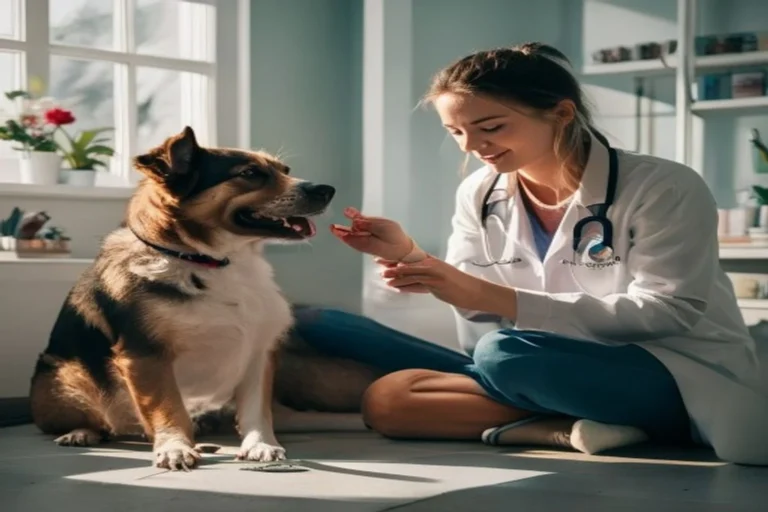
1) Visit your vet
- Why: Joint issues in dogs are diagnosed through physical examination and sometimes X-rays. Self-treating without a diagnosis can miss the actual cause or delay effective treatment.
- What to tell them: When you first noticed the signs, which movements seem to cause hesitation, whether it’s worse in the morning or after exercise, and any specific joints the dog licks or avoids.
2) Adjust the home environment
- Ramps instead of stairs: A pet ramp for the sofa or bed reduces impact on painful joints. Dogs with hip or knee issues particularly benefit from not having to jump.
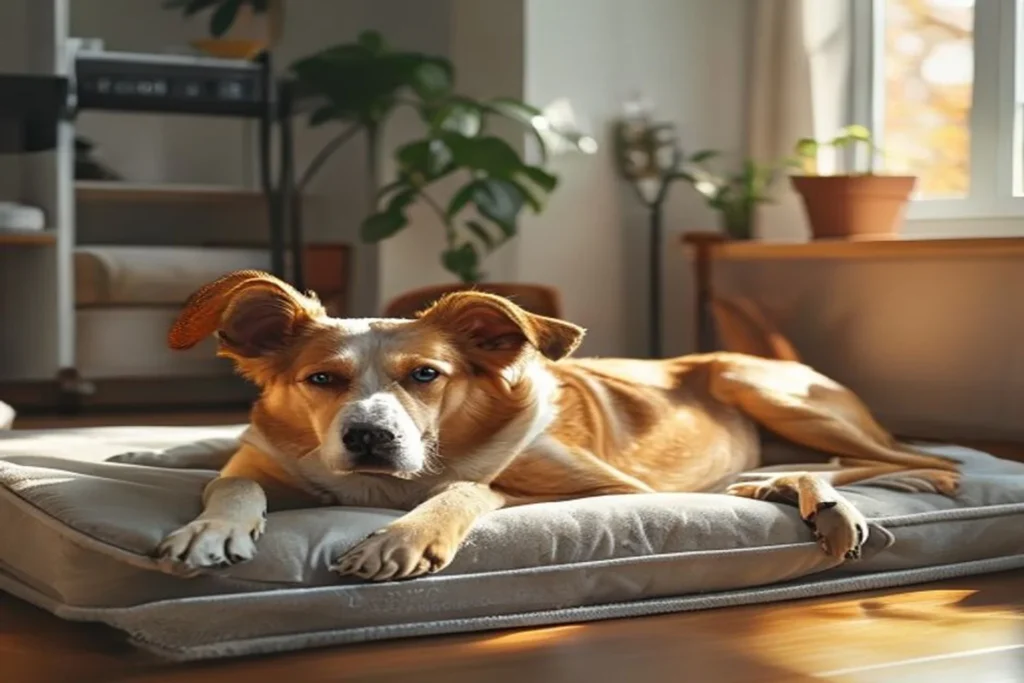
- Orthopedic bedding: Memory foam dog beds support joints during rest. Dogs with joint pain often sleep in strange positions to avoid pressure on painful areas. A supportive surface helps.
- Non-slip surfaces: Hardwood and tile floors are difficult for dogs with joint pain. Rugs and yoga mats under food bowls and in resting areas prevent slipping that strains already-painful joints.
3) Adjust exercise carefully
- What works: Short, frequent walks on even surfaces are better than occasional long walks. Swimming is excellent for joint pain (if accessible) because it’s zero-impact.
- What to avoid: Explosive movements like jumping, sharp turns during fetch, and rough play that puts sudden pressure on joints.
- Why exercise still matters: Muscle around the joints provides support. A dog that stops moving entirely loses muscle mass, which makes joint pain worse over time, not better.
4) Weight management
- Why it matters: Every extra kilogram of weight puts significant additional pressure on joints, especially hips and knees. Weight loss in overweight dogs with arthritis produces measurable improvements in mobility, sometimes without any other treatment.
- How to approach it: Discuss with your vet before changing diet significantly. Gradual weight loss through portion control is safer than rapid reduction.
Joint pain questions
At what age do dogs typically develop joint problems?
It varies significantly by breed. Large breeds (German Shepherds, Labradors, Rottweilers) are often affected from 5-7 years onward. Small breeds tend to develop arthritis later, typically 8-10 years. Some dogs with genetic predispositions (hip dysplasia) show signs much earlier.
Are joint supplements effective for dogs?
Glucosamine and chondroitin supplements have decent evidence for mild to moderate arthritis in dogs. Omega-3 fatty acid supplements (fish oil) also have anti-inflammatory benefits. They work best as early prevention and mild management, not as a replacement for vet treatment when pain is significant. Ask your vet about dosing before starting.
Is my dog in pain if they’re still eating and playing?
Possibly. Dogs often continue eating normally even in significant pain because the drive to eat is strong. Mild to moderate pain can coexist with playing in short bursts. Pain assessment in dogs is based on behavioral patterns over time, not moment-to-moment activity level.
Can puppies get joint pain?
Yes. Developmental conditions like hip or elbow dysplasia can affect puppies and young dogs, not just seniors. If a puppy under 2 years is limping or showing reluctance to bear weight on a limb, get it checked rather than waiting to see if it resolves. Early intervention matters significantly with developmental orthopedic conditions.
Your checklist
- ☐ Observe your dog’s movement patterns, especially in the morning
- ☐ Note any new reluctance to jump, climb stairs, or get up
- ☐ Schedule a vet visit if you notice any of the signs above
- ☐ Add non-slip surfaces and remove jumping requirements at home
- ☐ Maintain healthy weight to reduce joint load
The usual missteps
- Attributing behavioral changes to “just getting older” without investigating a physical cause.
- Stopping all exercise because the dog seems painful: controlled movement is better than rest.
- Giving human pain medications. Ibuprofen and acetaminophen are toxic to dogs.
Behaviour changes come before the limp
Joint pain in dogs is often subtle, progressive, and very manageable when caught early. If your dog is showing any of the behavioral changes described above, a vet visit is the right first step. Environmental adjustments and weight management make a meaningful difference. Dogs with well-managed joint conditions can remain comfortable and active for many years.