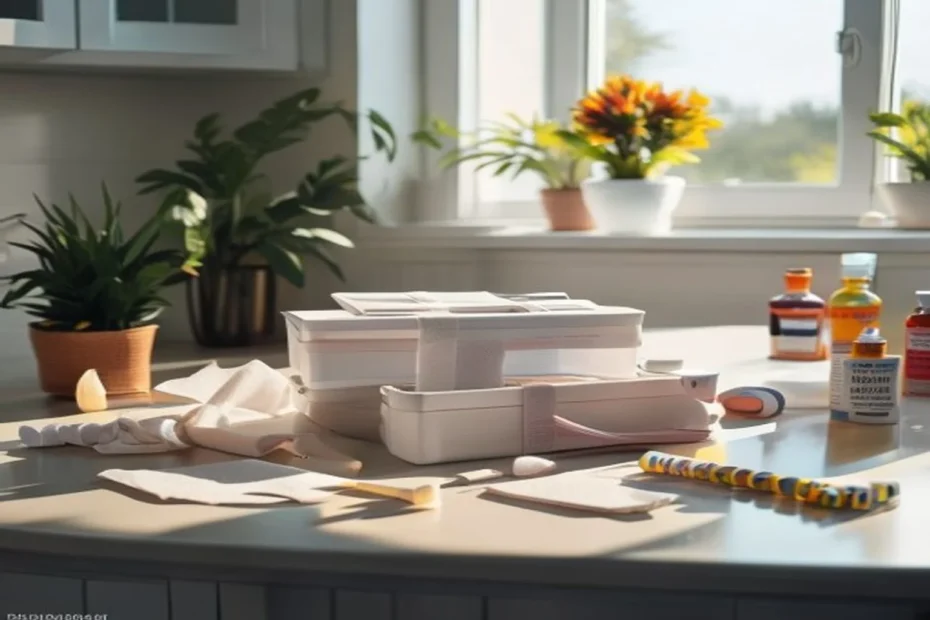
The Basic First Aid Kit Every Pet Owner Should Have
Most pet emergencies don’t happen near a vet office. They happen at home, in the evening, on weekends. Having the right supplies within reach means you can stabilize your pet while arranging the fastest route to veterinary care — and in some situations, it’s the difference between a manageable injury and a critical one.
This isn’t about replacing vet care. It’s about having the bridge between the moment something happens and the moment you get professional help.
Core Supplies for Every Pet Owner
Wound care
- Sterile gauze pads and rolls — for covering and applying pressure to wounds, or for bandaging
- Self-adhesive bandage wrap (VetWrap or similar) — wraps wounds without sticking to fur; much easier to use than regular bandage tape on animals
- Sterile saline solution — for flushing dirt and debris from wounds before covering them; do not use hydrogen peroxide on animal wounds (it damages tissue)
- Tweezers — for removing visible splinters, thorns, or ticks if accessible
- Clean scissors with blunt tips — for cutting bandage materials or carefully trimming fur around a wound
Temperature management
- Digital rectal thermometer — the most reliable way to take a dog or cat’s temperature (normal range: 38-39.2°C / 100.5-102.5°F)
- Petroleum jelly — for lubricating the thermometer before use
Restraint and transport
- Spare leash or slip lead — for controlling a dog in pain (injured animals sometimes bite even when normally gentle)
- Soft cloth muzzle — never muzzle a vomiting, choking, or breathing-difficulty animal, but useful for managing a dog in pain during transport
- Flat surface or rigid carrier — for transporting a dog that may have a spinal or limb injury without bending or twisting them
Contact information
- Your regular vet’s number (including after-hours emergency instructions)
- Nearest 24-hour emergency animal hospital
- Animal poison control hotline (ASPCA: 888-426-4435 in the US; equivalent in your country)
Supplies to Know How to Use
How to flush a wound correctly
Use sterile saline from a syringe or squeeze bottle. Flush the wound gently from the inside out. Do not use hydrogen peroxide, alcohol, or Betadine (these damage tissue and slow healing). After flushing, cover loosely with gauze and bring to the vet — don’t attempt to close a wound at home.
How to apply pressure to a bleeding wound
Place sterile gauze over the wound and press firmly with the flat of your hand. Maintain steady pressure for 3-5 minutes without lifting to check — lifting disrupts clot formation. If blood saturates the gauze, add more gauze on top without removing the original layer. A wound that bleeds continuously after 5 minutes of direct pressure needs immediate veterinary care.
How to check temperature correctly
Lubricate the thermometer, insert 2-3 cm into the rectum, hold for 30-60 seconds. Temperatures above 39.5°C (103.1°F) in a resting animal warrant a vet call. Temperatures above 40.5°C (104.9°F) are an emergency. Below 37.5°C (99.5°F) in a dog or cat is also concerning — hypothermia is as serious as fever.
What Not to Do in a Pet Emergency
- Don’t give human medications (including Tylenol/acetaminophen, ibuprofen, aspirin) unless specifically directed by a vet. Most are toxic to pets.
- Don’t induce vomiting unless specifically instructed by poison control — some substances cause more damage coming back up than staying down.
- Don’t wrap a wound so tightly that it cuts off circulation.
- Don’t muzzle an animal that’s vomiting, having breathing difficulty, or unconscious.
Quick answers
Do I need different supplies for cats versus dogs?
The core kit is the same. Cats generally require more restraint caution because a frightened or injured cat can cause significant injury quickly. A thick towel for wrapping a fractious cat (the “burrito wrap”) is a useful additional item for cat owners.
How do I know if my pet needs emergency care versus waiting until morning?
Emergency signs: difficulty breathing, suspected poisoning, loss of consciousness, uncontrolled bleeding, suspected broken bones, inability to urinate for more than 24 hours, pale or white gums, major trauma (hit by car, significant fall). These do not wait for morning. For other issues — mild limping, small cuts, vomiting once or twice — calling a vet hotline helps you make the call.
Where should I keep the first aid kit?
Accessible but not in the bathroom (humidity degrades supplies faster). A kitchen cabinet shelf, hallway closet, or under the bed in a labeled bag or box. Tell anyone who regularly watches your pet where it is.
Practical checklist
- ☐ Sterile gauze pads and self-adhesive bandage wrap
- ☐ Sterile saline solution for wound flushing
- ☐ Digital thermometer and petroleum jelly
- ☐ Spare leash or slip lead
- ☐ Emergency vet contact information in the kit
Common mistakes
- Using hydrogen peroxide on animal wounds, which damages tissue and slows healing.
- Not knowing where the nearest 24-hour emergency vet is before an emergency happens.
- Giving human pain medication in an emergency — acetaminophen is lethal for cats and toxic for dogs.
Conclusion
A pet first aid kit doesn’t need to be elaborate. The core supplies — gauze, sterile saline, self-adhesive bandage wrap, a thermometer, and emergency contact information — handle the most common situations you’re likely to face at home. The knowledge of what not to do is as important as the supplies. Set it up once, label it clearly, and review the emergency contacts once a year.
You might also like
- Basic Signs That Your Pet May Need to See a Vet
- Vaccinations for Cats and Dogs: What You Need to Know
- How to Check Your Cat’s Health at Home Between Vet Visits
FAQ
Should I take a pet first aid course?
It’s worth it, especially if you have a dog. Knowing how to perform basic CPR on a dog, clear an airway obstruction, and assess shock is genuinely useful knowledge that’s hard to learn from reading. Many vet schools and organizations offer 2-3 hour in-person or online courses. One session gives you skills that could matter in a real emergency.

Jamie Cole is a content creator focused on practical pet care for apartment living. At NestPath, Jamie shares straightforward guides on cat and dog care, pet behavior, and making small spaces work for both owners and their animals. The goal is clear, judgment-free advice for everyday pet owners who just want to do right by their pets.