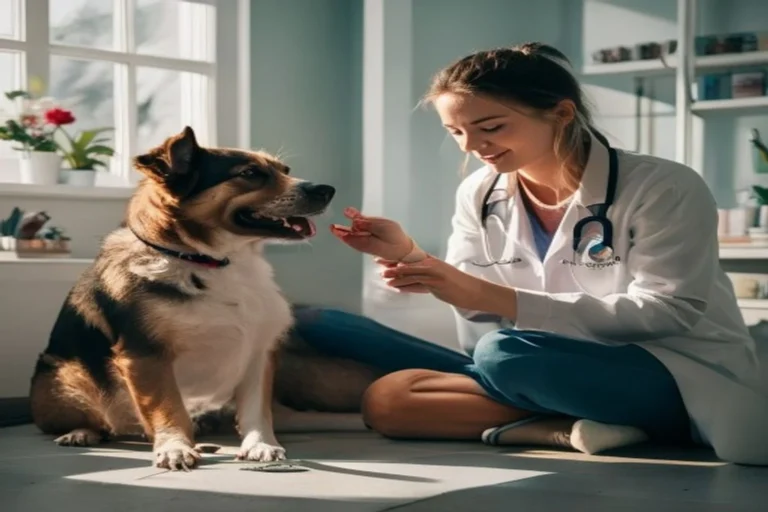
Basic Signs That Your Pet May Need to See a Vet

In this article
Pets can’t tell you when something is wrong. That’s your job.
The good news is that most health issues show early warning signs long before they become serious. Knowing what to look for lets you act fast and keep your pet healthy.
This guide covers the most common signs that mean it’s time to call the vet.
> 💡 Key idea: When in doubt, call your vet. A five-minute phone consultation is free and can save you and your pet a lot of stress.
Quick summary (for busy people)
- ✔️ Changes in eating, drinking, or bathroom habits are often the first signal
- ✔️ Behavior changes matter more than they seem
- ✔️ Any breathing difficulty is an emergency
- ✔️ When unsure, call your vet, don’t wait and hope
Why pets hide illness
It’s instinct. In the wild, showing weakness attracts predators. Your cat or dog may be in pain while still acting mostly normal.
This makes regular observation more important than waiting for obvious symptoms.
Signs your pet may need veterinary attention
1) Changes in eating or drinking habits
- Why it matters: Sudden loss of appetite or increased thirst are among the most reliable early indicators of illness.
- What to look for: Not eating for more than 24 hours. Drinking significantly more or less than usual. Difficulty chewing or swallowing.
- Common mistake: Assuming a picky day is nothing. One day is normal. Two or more days warrants attention.
2) Changes in bathroom habits
- Why it matters: Urinary and digestive changes often point directly to specific conditions.
- What to look for: Diarrhea or vomiting more than twice in one day. Straining to urinate or defecate. Blood in urine or stool. Cats suddenly avoiding the litter box.
- Common mistake: Waiting several days before acting on digestive issues.
3) Lethargy or behavioral changes
- Why it matters: You know your pet’s energy baseline. Any significant drop deserves attention.
- What to look for: Sleeping more than usual. Not responding to play or favorite activities. Hiding (especially in cats). Unexplained aggression or irritability.
- Common mistake: Assuming a quiet pet is just “in a mood”.
4) Physical changes you can see or feel
- Why it matters: Lumps, swelling, and coat changes can appear before any behavioral signal.
- What to look for: New lumps or bumps anywhere on the body. Sudden weight loss or gain. Dull, dry, or thinning coat. Swollen belly. Eye discharge or redness.
- Common mistake: Assuming a lump is harmless without vet confirmation.
5) Breathing changes: always urgent
- Why it matters: Breathing difficulty is one of the few true pet emergencies that requires immediate care.
- What to look for: Labored breathing, rapid breathing at rest, open-mouth breathing in cats (almost always abnormal), blue or pale gums.
- Common mistake: Waiting to see if it passes. It won’t, and delay can be fatal.
6) Persistent symptoms of any kind
- Why it matters: One sneeze is nothing. Sneezing every day for a week is something.
- What to look for: Any symptom that repeats for more than 2-3 days without improvement. Limping that doesn’t improve in 24 hours. Scratching or licking one area obsessively.
- Common mistake: Using the “wait and see” approach past the point where early treatment would be simple and cheap.
When owners ask if a symptom is serious
How often should a healthy pet see the vet?
Once a year for adult pets, twice a year for senior pets (over 7 years old). Annual checkups catch issues before you notice symptoms.
What’s the difference between an emergency and waiting until morning?
Breathing difficulty, seizures, uncontrolled bleeding, inability to urinate, or suspected poisoning are emergencies. Most other concerns can wait for a next-day appointment but should still be seen.
Can I treat my pet at home?
Minor cuts, mild digestive upset, and superficial scratches can be managed at home. Anything involving the eyes, respiratory system, or lasting more than 24-48 hours needs professional evaluation.
What’s the most overlooked sign of illness in cats?
Changes in litter box use. Cats are private about bathroom habits, and any change (frequency, location, or avoiding the box) often signals a health issue that needs attention.
Do dogs hide illness like cats do?
Yes, but less consistently. Dogs tend to show behavioral changes more visibly than cats. A dog who’s suddenly quiet and withdrawn is as concerning as a cat hiding under the bed.
Quick checklist
- ☐ Know your pet’s normal eating, drinking, and bathroom patterns
- ☐ Do a quick physical check weekly: coat, eyes, ears, paws
- ☐ Have your vet’s number and an emergency clinic number saved
- ☐ Act within 24 hours of any persistent or worrying symptom
Common mistakes
- Waiting too long: most conditions are easier and cheaper to treat early.
- Diagnosing online without vet confirmation: online symptoms overlap between mild and serious conditions.
- Not knowing the difference between emergency and urgent care.
Pro tip
Keep a short health log for your pet: date, weight, any notable changes in eating or behavior. When you do visit the vet, that log makes diagnosis faster and more accurate.
Trust the change, not the symptom
Your pet’s health is easier to protect when you know what normal looks like. Regular observation, quick action on concerning signs, and annual vet visits keep most pets healthy for years. When something feels off, trust that instinct and call.