How to Choose the Right Cat Breed for Apartment Living
In this article
How to Choose the Right Cat Breed for Apartment Living
Not all cats are equally suited to apartment life. Some breeds are high-energy and need a lot of space to run and explore. Others are genuinely happy in a smaller environment, as long as they get enough attention and stimulation. Choosing a breed that fits your lifestyle makes a significant difference in how much your cat thrives.
That said, individual personality matters as much as breed. A relaxed mixed-breed from a shelter can be a better apartment cat than a high-strung purebred of a “calm” variety.
What Makes a Cat Good for Apartment Living
The traits that matter most in a small space:
- Lower activity level overall
- Adaptable to indoor-only life without showing distress
- Less vocal, or at least not constant vocalizers
- Affectionate but not overly dependent (can handle time alone without anxiety)
- Doesn’t require large amounts of vertical space or running room to be happy
Breeds That Tend to Do Well in Apartments
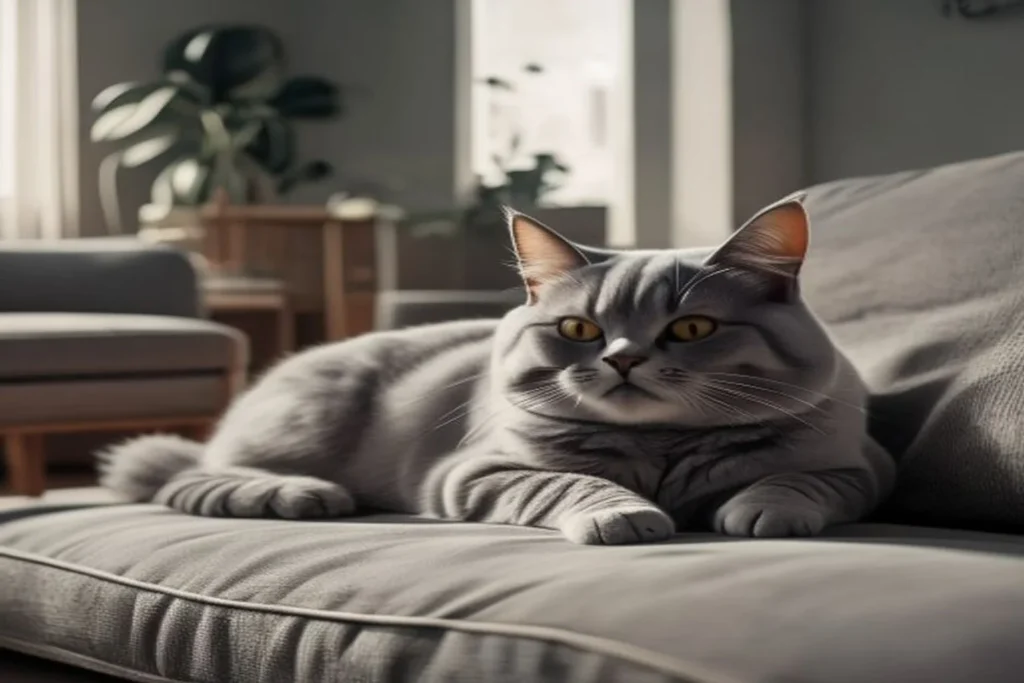
British Shorthair
- Why it works: Calm, low-drama, moderately affectionate without being clingy. Happy to spend time alone without developing separation anxiety. Adapts well to indoor life.
- Keep in mind: Prone to weight gain, so watch portions and encourage play even when they’d rather just sit.
Ragdoll
- Why it works: Known for going limp when held, which gives you a sense of their relaxed temperament. Gentle, quiet, not particularly territorial. Bonds strongly with owners.
- Keep in mind: Needs social interaction. Not a good fit if you’re away more than 8-10 hours a day without enrichment.
Persian
- Why it works: Very calm, very low activity. Happy to lounge and be admired. Minimal jumping or climbing compared to more athletic breeds.
- Keep in mind: High grooming needs. That flat face requires regular eye cleaning. Health issues are more common in extreme-typed individuals.
Scottish Fold
- Why it works: Quiet, easygoing, adapts to various environments. Less driven to explore than many other breeds. Gets along with other animals.
- Keep in mind: The gene that causes the folded ears is linked to joint issues. Ethical breeding matters here; buy from reputable breeders who health test.
Mixed-breed cats from shelters
- Why it works: Shelter staff know their cats well. Many cats in shelters have been assessed for temperament. A “cat room” observation often tells you more about a cat’s real personality than any breed description.
- Keep in mind: Ask the shelter what the cat is like with other cats, around strangers, and whether it shows signs of anxiety. Older cats (3-7 years) are often better apartment fits than kittens because their energy levels are known.
Breeds That Are More Challenging in Small Apartments
Not impossible, but requiring more intentional management:
- Bengal: High energy, loves to run and jump, can become destructive if under-stimulated. Needs significant daily play.
- Siamese and Oriental breeds: Very vocal and demanding. Not suited for owners who want a quieter, more independent cat.
- Abyssinian: One of the most active breeds. Thrives in large spaces with lots of enrichment. Small apartments can be limiting.
- Maine Coon: Wonderful temperament, but they’re large and active. They need space to stretch and explore, and their size alone can feel significant in a studio.
Cat breed questions for apartments
Can high-energy cat breeds live happily in apartments?
Yes, with the right commitment. A Bengal in a small apartment can thrive with two daily play sessions of 20+ minutes, cat wheels, puzzle feeders, and lots of vertical space via cat trees. It’s a significant daily time investment. Some owners love the engagement; others find it exhausting.
Should I get one cat or two for an apartment?
Two cats often entertain each other, reducing the demand on you for active engagement. If you’re away for long hours regularly, two cats is usually better. The key is introducing them properly. Two cats from the same litter or who are already bonded is the easiest start.
Is it better to get a kitten or an adult cat for an apartment?
For most apartment dwellers, an adult cat is easier. Their personality is established, their energy level is known, and the unpredictable kitten phase (which can involve high activity and some destruction) is past. Kittens are wonderful but require more active engagement.
What’s the calmest cat breed for a small space?
Persian and British Shorthair consistently rank among the lowest-energy and least demanding breeds for indoor living. Ragdoll is also often cited. But “calm” can mean different things: some calm cats are affectionate and interactive, others are quite independent. Both work in apartments for different reasons.
Run through this
- ☐ Research breed energy levels and independence before committing
- ☐ Consider adopting an adult cat from a shelter where temperament is already known
- ☐ Ask shelter staff specifically about behavior alone and around strangers
- ☐ Be honest about how much time per day you can dedicate to play
- ☐ Match the cat’s social needs to your actual availability
Where people go wrong
- Choosing a breed based on appearance without researching the energy and social needs.
- Getting a high-energy breed without a plan for daily active stimulation.
- Underestimating how much time some breeds (especially Siamese, Bengals) need from their owners.
Energy level over appearance
The right cat for your apartment isn’t the most beautiful or trendy breed. It’s the cat whose daily needs you can genuinely meet with the time and space you have. For most apartment dwellers, a calm to moderate energy breed or a known-temperament adult shelter cat is the best starting point. Spend time with the cat before committing when possible.