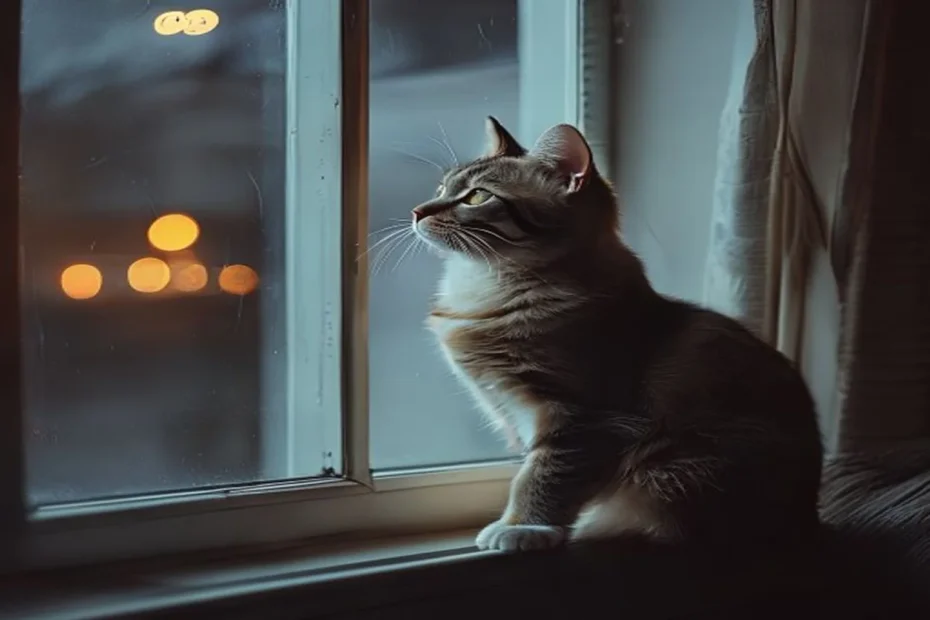
It’s 3 a.m. You’re wrapped in your blanket, finally drifting off, and then it starts. The yowling. The pacing. The paw on your face. If you want to stop your cat from meowing at night, you’re not alone, and you’re definitely not a bad cat parent. Nighttime meowing is one of the most common complaints from people who share a small apartment with a vocal feline.
The good news is that most of it has a reason behind it. Once you figure out the why, the fix usually follows. This guide walks you through the common causes and the practical steps that actually help you both sleep again.
No magic tricks here, just real changes you can start tonight.
Why your cat is meowing at night in the first place
Cats are crepuscular, which is a fancy way of saying they’re wired to be most active at dawn and dusk. In the wild that’s prime hunting time. In your apartment, that energy has nowhere to go, so it comes out as a cat meowing at night and treating your hallway like a racetrack.
But energy is only part of the story. A cat that cries after dark might be hungry, bored, lonely, or trying to tell you something is off. Older cats sometimes vocalize more because of confusion or changes in their senses. A cat in a small space has fewer outlets during the day, so the boredom builds and spills over into the night.
Think of the meowing as a message, not bad behavior. Your job is to figure out what the message is.
How to stop the nighttime meowing, step by step
You don’t need to try everything at once. Start with the changes that match your cat’s likely reason, then adjust over a week or two. Cats respond to consistency, so give each change a fair shot before you switch tactics.
Tire them out before bed
A bored cat with full batteries will wake you up. Aim for two solid play sessions a day, with the big one happening an hour or so before your bedtime. Use a wand toy and let your cat chase, pounce, and “catch” it. Mimic a hunt: fast movements, then a slow crawl, then the pounce. End the session with a small meal so your cat goes into “hunt, eat, sleep” mode, the same loop they’d follow in nature.
Even ten focused minutes can drain enough energy to buy you a quiet night.
Feed on a smart schedule
If your cat wakes you at the same time every night, hunger is often the culprit. Try moving the last meal of the day as late as possible, or use an automatic feeder set to dispense a small portion in the early morning. That way the feeder becomes the food source, not you. Your cat learns that crying at your pillow does nothing, but the click of the timer means breakfast.
Never free-feed all day if your cat is gaining weight. Measured meals are better for both behavior and health.
Make the day more interesting
A cat that sleeps all day will be wide awake all night. Give them things to do while you’re out. Food puzzles, a window perch to watch birds, and a few rotating toys can keep an indoor cat busy. In a small apartment, vertical space matters even more, so add a shelf or a tall scratching post your cat can climb.
If your cat is bored during the day, our guide on creating a calm hideaway for an anxious pet can help you build a space that keeps them settled and content.
Don’t reward the noise
This one is hard, but it’s the most important. When you get up to feed, pet, or even scold a meowing cat, you teach them that noise works. Any attention is a payoff. If you’ve ruled out hunger, illness, and danger, the best response to attention-seeking meows is no response at all. Stay still, stay quiet, and wait it out.
It can get worse for a few nights before it gets better. That spike is normal. Push through and stay consistent.
Set up a cozy nighttime spot
Sometimes a cat cries because they feel alone or unsettled. A warm bed near a heat source, a worn t-shirt that smells like you, or a covered hideaway can give a nervous cat somewhere safe to land. Keep the litter box clean and accessible too, since a cat may vocalize if they can’t reach a clean box at night.
Quick answers
Why does my cat meow at night all of a sudden?
A sudden change often points to something new: a schedule shift, a move, a new pet, or a health issue. If the meowing starts out of nowhere and nothing in the home changed, book a vet visit to rule out pain or illness.
Should I ignore my cat meowing at night?
Yes, if you’ve confirmed your cat is safe, fed, and healthy. Ignoring attention-seeking meows teaches your cat that noise gets no reward. Just be ready for it to get louder before it fades.
Does feeding my cat before bed stop night meowing?
Often, yes. A small late meal or an automatic morning feeder can settle a cat that wakes you out of hunger. It also shifts the food source away from you, so the crying loses its purpose.
Do cats grow out of meowing at night?
Kittens usually calm down as they mature and learn your routine. Adult cats need the right setup to stay quiet, and senior cats may meow more as they age, which is worth mentioning to your vet.
Common mistakes and when to see a vet
A few habits quietly make night meowing worse. Avoid these:
- Getting up to feed or pet your cat the moment they cry, which trains them to keep going.
- Skipping daytime play, so all that energy lands at 3 a.m.
- Punishing or yelling, which raises stress and often increases the noise.
- Changing tactics every night before any single change has time to work.
- Closing your cat out of the bedroom abruptly, which can trigger door-scratching and louder crying.
Talk to your vet if the meowing is new and intense, if your cat seems disoriented, if they’re losing weight, drinking or peeing more than usual, or if an older cat starts howling at night. These can be signs of pain, thyroid issues, or age-related changes. When in doubt, consult your vet. It’s always better to rule out a medical cause early.
Conclusion
Stopping your cat from meowing at night comes down to a simple idea: meet their needs during the day so the night stays calm. Play hard before bed, feed on a smart schedule, enrich the daytime, and resist the urge to reward the noise. Give each change a week or two and you’ll likely see real progress.
Start tonight with one big play session and a late meal. If the meowing is sudden, severe, or paired with other symptoms, consult your vet before assuming it’s behavior.
You might also like
- Why Your Cat Stares at You and What It Actually Means
- Why Your Cat Bites You During Petting
- How to Create a Calm Hideaway for an Anxious Pet
FAQ
How long does it take to stop night meowing?
With consistent changes, many cats settle within one to three weeks. Attention-seeking meows may spike first, then fade once your cat learns the noise no longer works.
Will a second cat stop the meowing?
Sometimes a companion eases loneliness, but it can also add stress or noise if the cats don’t get along. Fix the routine and enrichment first before adding another pet.
Is night meowing a sign my cat is sick?
It can be, especially if it’s sudden or paired with weight loss, confusion, or changes in eating and drinking. If anything seems off, consult your vet to rule out a medical cause.

Jamie Cole is a content creator focused on practical pet care for apartment living. At NestPath, Jamie shares straightforward guides on cat and dog care, pet behavior, and making small spaces work for both owners and their animals. The goal is clear, judgment-free advice for everyday pet owners who just want to do right by their pets.