Why Your Dog Whines and What It’s Trying to Tell You
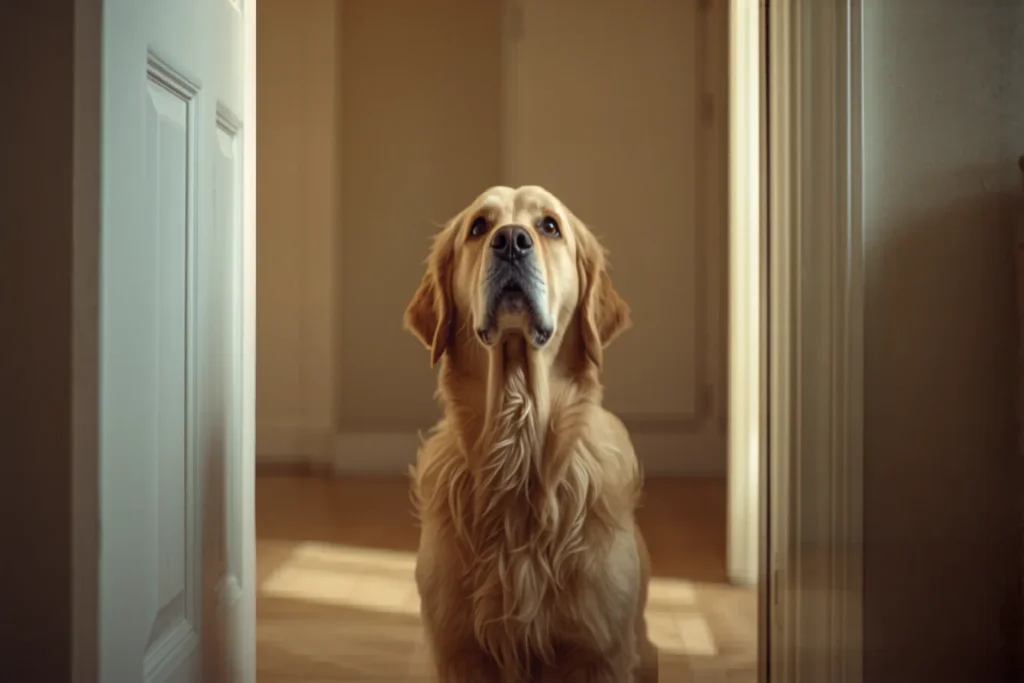
That high-pitched whine can mean a dozen things, and figuring out which one is half the battle. Your dog isn’t being annoying: whining is communication, and it’s trying to tell you something specific.
Once you read the context around the whine instead of just the sound itself, you can respond to the real need and often cut the whining down for good.
Here is why dogs whine and how to tell the reasons apart.
Why Dogs Whine
Whining is one of the few vocal tools a dog has, so it gets used for a lot of different things. The sound itself rarely gives away the cause: the situation does.
A dog whining at the door usually wants something different than one whining when you grab the leash, or one whining alone at 2 a.m. Read the moment, not just the noise, and the message gets clear fast.
A useful habit: for a few days, jot down when the whining happens. Patterns show up quickly, like always at 6 p.m. (dinner) or always when you pick up your keys (anxiety about being left). The pattern usually points straight at the cause.
The Most Common Reasons (and What to Do)
1. A physical need
Whining by the door usually means the dog needs to go out. Whining near the bowl usually means hunger or thirst. Check the basics first, bathroom, food, water, before assuming anything more complicated is going on.
The common mistake here is writing it off as “just attention” when there is a real, simple need going unmet. A dog that is actually asking to pee will not stop whining just because you ignore it.
2. Anxiety or stress
Dogs whine from nerves when they are left alone, during thunderstorms or fireworks, or in a new place. Pacing, panting, or trembling alongside the whine point to stress rather than a simple want.
The fix starts with the source, not the sound: work on the separation, reduce exposure to the noise, or give the dog time to adjust to the new environment. Scolding an anxious dog only adds stress on top of stress, and the whining usually gets worse, not better.
3. Excitement or attention-seeking
A dog that whines the second you pick up the leash, or the moment you walk in the door, is just thrilled. Let that one pass: stay calm and wait for a quiet beat before engaging.
Attention-seeking whining is different: the dog has learned that whining gets you to look over, talk, or come closer. Reward the quiet instead of the whine, since responding the moment it starts teaches the dog that whining works.
Common Questions
Why does my dog whine so much?
Whining is how dogs communicate a need, anxiety, excitement, or a bid for attention. The context, the door, the leash, being left alone, usually tells you which one it is.
Should I ignore my dog’s whining?
Not automatically. Rule out real needs first: bathroom, hunger, pain. Once those are covered and it is attention-seeking, rewarding calm instead of reacting to the whine works better over time.
Does whining ever mean my dog is in pain?
Yes, especially if it is sudden, out of character, or shows up with limping, reluctance to move, or other changes. When in doubt, a vet visit is the safe call.
Why does my dog whine at night?
Usually the bathroom, loneliness, or anxiety. Cover the basics before bed and give the dog a comfortable, secure spot to sleep, and a lot of night whining clears up on its own.
How do I stop attention-seeking whining?
Once real needs are met, stop responding to the whine itself and give attention when the dog is calm instead. Consistency matters here: an occasional reward for whining is enough to keep the habit alive.
If the whining shows up suddenly after weeks of quiet, treat it as a signal worth checking rather than a habit to correct. That shift alone is usually what’s different between a dog that needs patience and one that needs a vet.