How to Help Your Cat Live Happily in a Small Apartment Long-Term
Cats can thrive in small apartments, but only when their basic needs are met intentionally. A bored, understimulated cat develops behavioral problems and stress-related health issues. A well-supported indoor cat lives a longer, happier life than many outdoor cats.
The secret isn’t size — it’s design. Even a 30-square-meter studio can be perfectly suited to a happy cat if you understand what cats actually need.
What cats need most in apartment life
Vertical space
Cats are not just floor animals. In the wild, they climb trees, watch from elevated positions, sleep on branches. In apartments, vertical space matters more than floor space. A small apartment with good vertical access feels much larger to a cat than a big apartment without it.
Cat trees, wall-mounted shelves, the top of bookshelves cleared for them — all give your cat the multi-level world they need.
Window access
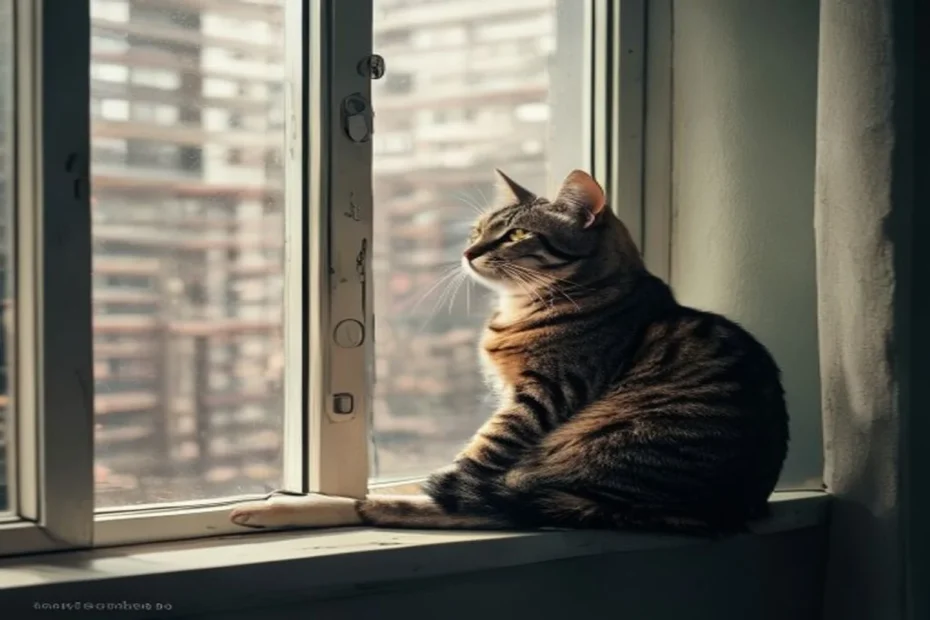
Watching the outside world is one of the most important enrichments for indoor cats. Birds, traffic, weather, neighbors walking by — all stimulating.
Provide a comfortable perch at a window your cat can access easily. A cushion on a windowsill or a cat-specific window shelf both work. Make sure the screen is secure if the window opens.
Hiding spots
Cats need places to retreat. Not because they’re scared, but because feeling secure in a hideaway is part of cat psychology. Boxes, covered beds, the underside of furniture, closet shelves — variety matters.
At least 2-3 different hiding options at different heights and locations gives your cat choice depending on their mood.
Daily play
Indoor cats need to hunt. Not real prey — but daily play that mimics hunting behavior. 10-15 minutes twice a day with a wand toy, laser pointer, or feather toy is enough to satisfy this instinct.
The play session should follow the hunt-catch-eat cycle: chase, capture (let them “catch” the toy), then feed. This mimics their natural rhythm and reduces nighttime hyperactivity.
Multiple resources
For one cat: one food bowl, one water bowl, one litter box. For two cats: 2-3 of each, placed in different locations. Cats are territorial about resources. Forcing them to share creates stress.
Common signs your cat needs more from the space
Excessive sleeping (even by cat standards)
Cats sleep 12-16 hours a day normally. But a cat that does nothing but sleep, even when you’re home and trying to engage them, may be understimulated. Look for activity windows in the morning and evening — that’s when cats are naturally most active.
Destructive scratching
Cats need to scratch — it’s how they maintain claws, mark territory, and stretch. If they’re using your furniture, you don’t have enough scratching options. Add scratching posts in different areas, with different textures and orientations (vertical, horizontal).
Over-grooming
A cat that licks one spot until it’s bald may be stressed, bored, or have a skin condition. Rule out medical causes first, then look at environmental factors.
Constant vocalization
Some breeds are vocal naturally. But a normally quiet cat that becomes loud often is asking for something. Attention, food, play, or just acknowledgment.
Quick answers
Is one cat lonely in an apartment all day?
Sometimes. Many cats are independent and prefer solo life. Others benefit from a companion cat. Watch your cat’s behavior: clingy when you arrive home, vocal demands for attention, signs of separation distress all suggest considering a second cat or more enrichment.
How much space does one cat need?
Less than people assume. A studio apartment with vertical space, good enrichment, and daily play is fine for most cats. The quality of the space matters more than square meters.
Should I let my cat outside on a balcony?
Only with safety measures. Cats can fall from balconies — even from low floors. If you want balcony time, install pet-safe screening or invest in a “catio” enclosure. Never leave a cat unsupervised on an open balcony.
Adjustments by life stage
Kittens (under 1 year)
High energy, high curiosity, high learning capacity. Need lots of play, gradual exposure to different sounds and experiences, and clear boundaries. Pet-proofing is critical at this age.
Adult cats (1-7 years)
The most stable phase. Established preferences and routines. Need ongoing stimulation but can predict their behavior well. Most behavioral problems develop here if needs aren’t met consistently.
Senior cats (7+)
Less play, more rest. May need lower-effort access to perches (steps to favorite spots), softer bedding, easier-to-reach food and water. Watch for signs of arthritis or cognitive decline.
Common mistakes
Underestimating environmental enrichment. A cat with a clean apartment and food bowl isn’t necessarily content.
Ignoring vertical space. Cats want elevation. A 2D apartment, no matter how big, feels limited to them.
Single-resource setups in multi-cat households. Cats need their own everything to avoid stress.
Conclusion
A happy apartment cat needs less than people think but more than just food and water. Vertical space, window access, hiding spots, and daily play cover the core needs. Build these into your apartment intentionally and your cat will be content for years.
You might also like
- How to Set Up a Comfortable Space for Your Cat in a Small Apartment
- The Best Cat Trees and Scratching Posts for Small Spaces
- The Best Ways to Keep Your Indoor Cat Entertained
FAQ
How do I know my cat is genuinely happy versus just tolerating life?
Happy cats show curiosity, ask for attention, sleep relaxed (often belly-up), groom themselves regularly, and have predictable energy windows. Cats just tolerating life often seem withdrawn, sleep tense or hidden, and show flat behavior with little personality.
Is it cruel to keep cats indoors only?
No. Indoor cats live significantly longer than outdoor cats and face fewer health and safety risks. What matters is that the indoor environment meets their needs. A well-enriched indoor life is better than an under-stimulated one with outdoor access.

Jamie Cole is a content creator focused on practical pet care for apartment living. At NestPath, Jamie shares straightforward guides on cat and dog care, pet behavior, and making small spaces work for both owners and their animals. The goal is clear, judgment-free advice for everyday pet owners who just want to do right by their pets.