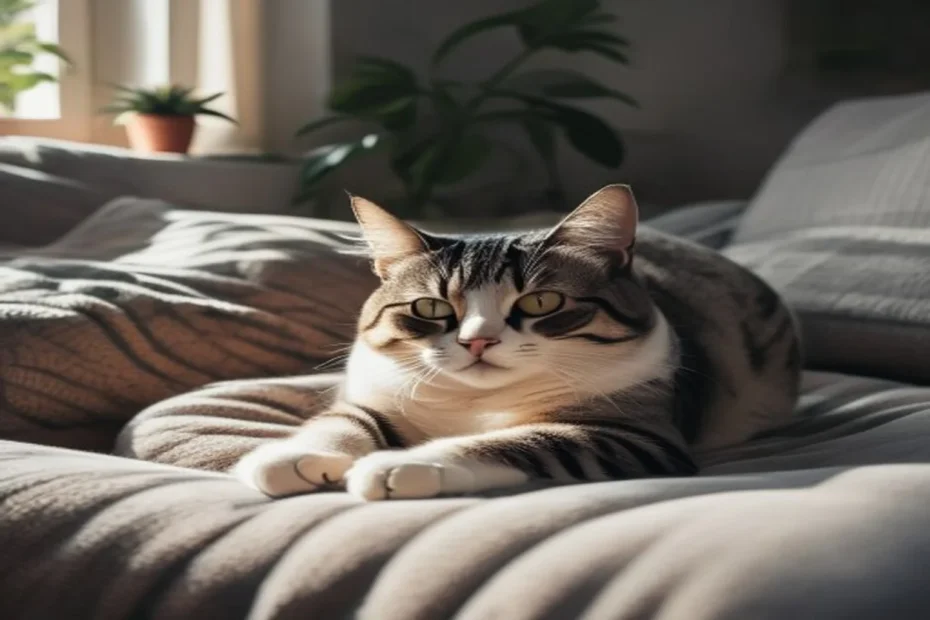
Why Cats Knead and What It Tells You About Their Mood
That repetitive paw-pushing motion cats do — called “kneading,” “making biscuits,” or “milk treading” — is one of the most endearing cat behaviors. But what does it mean? Is it always a sign of happiness? When should you be concerned?
Understanding kneading helps you read your cat’s emotional state better and respond appropriately.
Where the behavior comes from
Kneading starts in kittenhood. Nursing kittens push against their mother’s belly to stimulate milk flow. This rhythmic motion gets associated with comfort, warmth, and being fed — the most positive experiences in early life.
Most cats continue this behavior into adulthood, especially when feeling content. It’s a regression to those secure early days. Some cats knead more than others; some never knead. Personality and early experiences matter.
What kneading typically means
Contentment
The most common reason. A cat kneading on your lap, a blanket, or their bed is usually relaxed and happy. They feel safe and are expressing pleasure.
Affection toward you
When cats knead on their humans, it often expresses bonding. They’re treating you as a comfort source — high compliment in cat communication.
Territory marking
Cats have scent glands in their paws. Kneading releases small amounts of scent, marking what they knead as “theirs.” This is why your cat may knead your favorite spot or your laundry.
Preparing a sleep spot
The behavior may be related to ancient instinct to soften grass or leaves before sleeping. Even on perfectly soft beds, cats may knead briefly before settling.
Self-soothing
Some cats knead when slightly anxious. The repetitive motion is calming. If your cat kneads obsessively without other contentment signs, watch for stressors.
Different kneading styles
Two-paw versus four-paw kneading
Some cats use only front paws; some use all four. Both are normal. Four-paw “marching” is less common but not unusual.
With claws extended versus retracted
Cats with claws out aren’t trying to hurt you — they’re just deeply engaged. Trim nails regularly and put a soft blanket between you and them if claws are a problem.
With drooling
Some cats drool while kneading. This is actually a sign of very intense pleasure — they’re so relaxed they’ve lost some muscle control. Not a problem unless it’s excessive.
While purring versus silent
Both are normal. Purring + kneading usually signals deepest contentment.
Quick answers
Why does my cat knead me but not their bed?
You’re warmer and “alive” — a closer substitute for their mother than an inanimate bed. Plus, kneading you is partly about bonding with you specifically. Take it as a compliment.
Can I train my cat to stop kneading?
Kneading is instinctive and emotional. You generally can’t and shouldn’t try to suppress it. What you can do is redirect: place a soft blanket on your lap as a kneading surface, or give them a designated knead-blanket.
Why does my cat suddenly knead in the middle of the night?
Cats are crepuscular (most active dawn and dusk). They may have nighttime contentment moments. Some cats also wake their owners specifically to get attention — kneading is part of their interaction repertoire.
When kneading is a concern
Compulsive kneading
If your cat kneads for unusually long periods, can’t seem to stop, or kneads to the point of harming themselves (claw injuries to skin, exhaustion), there may be underlying anxiety or compulsive behavior. Vet consultation makes sense.
Kneading with vocalization of distress
Kneading combined with yowling, restlessness, or other stress signals may indicate the cat is anxious rather than content. Look at the whole picture.
Sudden change in kneading patterns
A cat that suddenly stops kneading when they always did, or starts kneading when they never did, may be expressing emotional changes. Worth observing closely.
Making kneading more pleasant for you
Keep nails trimmed
Sharp claws during kneading hurt. Regular nail trims reduce the issue significantly.
Provide a “knead blanket”
A thick soft blanket on your lap absorbs claws and gives them a satisfying texture to push against.
Wear protective clothing
For dedicated kneaders, jeans or thicker fabrics on your lap reduce the impact.
Don’t push them away
Pushing the cat off when they knead may feel rejecting to them. If their timing or intensity is bad, gently redirect to a nearby blanket or pillow instead.
Reading the full picture
Kneading is one signal among many. To understand your cat’s emotional state, look at the whole picture:
- Relaxed body, half-closed eyes, purring + kneading = content
- Tense body, alert eyes, kneading without purring = possibly anxious
- Tail wrapped around themselves, slow blinking, kneading = trust and affection
- Constant kneading without other relaxation signs = worth checking
Common mistakes
Assuming kneading always means contentment. Most of the time yes, but context matters.
Punishing kneading. It’s instinctive and emotional; punishment damages trust.
Not addressing claw issues. Letting kneading hurt you ruins the experience for both.
Conclusion
Kneading is one of those small windows into cat emotional life. Most of the time it signals contentment, comfort, and bond with you. Pay attention to the context and other signs to read it correctly. And keep those claws trimmed — your lap will thank you.
You might also like
- Understanding Your Cat’s Body Language: A Simple Guide
- 8 Signs Your Cat Is Happy and Healthy
- How to Trim Your Cat’s Nails Without the Drama
FAQ
Is it true that some cats never knead?
Yes. Cats who were weaned too early, or those with certain personalities, may never develop kneading behavior. It’s not a sign of unhappiness; just individual variation. Don’t worry if your cat doesn’t knead.
Can male cats knead the same as females?
Yes. Kneading isn’t sex-specific. Both genders knead based on individual personality and early experiences, not biological sex.

Jamie Cole is a content creator focused on practical pet care for apartment living. At NestPath, Jamie shares straightforward guides on cat and dog care, pet behavior, and making small spaces work for both owners and their animals. The goal is clear, judgment-free advice for everyday pet owners who just want to do right by their pets.