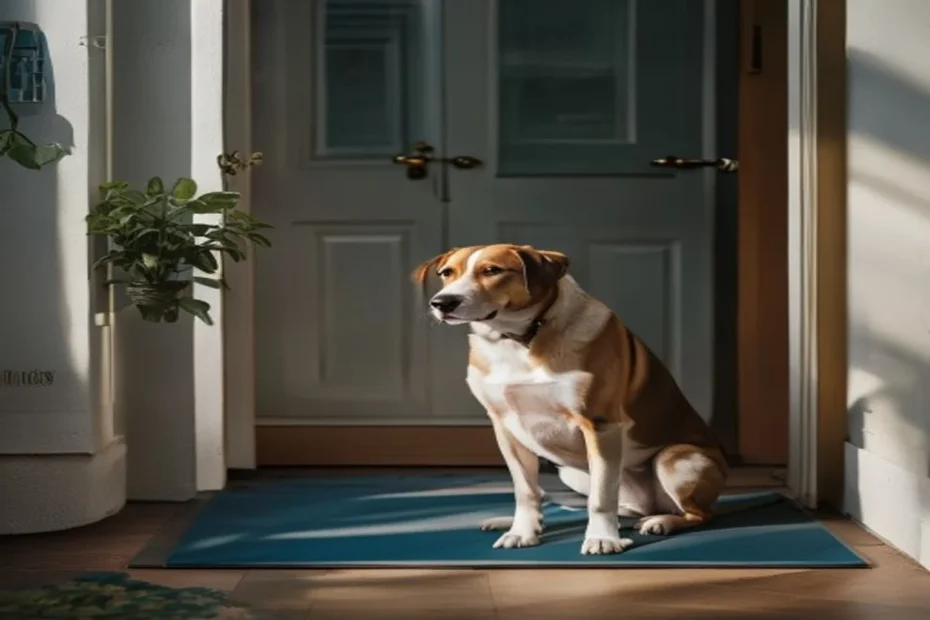
How to Train a Dog to Be Calm When Guests Come Over
A dog that goes wild when guests arrive can be embarrassing, exhausting, and frustrating for everyone — including the dog. The jumping, barking, and excitement aren’t bad behavior, they’re a dog who hasn’t been taught what to do instead. Training calm greeting behavior is one of the most useful skills you can teach an apartment dog.
The process takes consistency rather than complex techniques. Most dogs can learn calm greetings within a few weeks.
Why dogs go crazy when guests arrive
The doorbell, knock, or visitor arrival is exciting. New scents, attention, and energy enter the apartment. For dogs, especially those without consistent visitors, it’s a major event. Combined with our human reactions (also excited, talking loudly, opening the door quickly), the energy escalates.
The dog learns: when the doorbell rings, exciting things happen. They get attention by jumping and barking. The behavior gets reinforced every time someone enters the home.
Training calm greetings step by step
Step 1: Teach a default behavior
Before training around guests, your dog needs to know what calm looks like. The simplest: a “place” or “settle” command where they go to a specific spot (mat, bed, crate) and stay there.
Practice this without any visitor stimulus. Use treats and praise when they go to their place. Build duration: 30 seconds, then 1 minute, then 5 minutes. The goal is a reliable “go to your spot” that works even when distracted.
Step 2: Practice with door triggers, no guest
Once “place” is reliable, add the door as a trigger. Ring your own doorbell or knock on a wall. Cue “place” immediately. Reward when they go. Practice this 5-10 times a day for a week.
Your dog learns: doorbell rings → go to place → get reward. This becomes their default response to that sound.
Step 3: Add a fake guest
Recruit a family member or friend to act as “fake guest.” Have them ring the bell, you cue “place,” reward calm behavior. The “guest” enters only if your dog stays calm.
If your dog breaks the place command, the guest pauses outside or backs away. Try again. Your dog learns that staying calm makes the exciting thing happen; getting wild makes it stop.
Step 4: Real guests with management
With actual guests, set up for success. Before they arrive, your dog should be in a calm state (recent walk helps). Have treats ready at the door. Cue “place” as the doorbell rings. Reward generously for calm behavior.
Don’t expect perfection immediately. Some excitement is okay; the goal is “manageable” not “robot.” Over weeks, the behavior improves.
What to do during the actual greeting
Ignore unwanted behavior
When your dog jumps or barks, no eye contact, no words, no touch. Turn your back if needed. Attention reinforces the behavior. No attention extinguishes it.
Reward calm behavior immediately
The instant your dog has four paws on the floor or is sitting calmly, that’s when treats and attention flow. Timing matters — reward the moment they’re doing the right thing.
Ask guests to help
Brief your guests on the rules: ignore the dog completely until they’re calm. Then they can greet calmly. Don’t allow excited petting that rewards the wild behavior.
Provide alternatives
Some dogs need something to do with their energy. A chew toy or stuffed Kong can occupy them during the high-energy first minutes of a visit.
Quick answers
What if my dog is too excited to take treats?
That means the dog is over their threshold — too excited to learn. Either: 1) practice with lower-intensity stimuli first (recorded doorbell, quieter knock), 2) use higher-value rewards (real cheese, chicken instead of dry treats), 3) add more pre-visit exercise to take edge off.
How long until my dog reliably greets calmly?
For most dogs, 2-6 weeks of consistent training shows clear improvement. Full reliability across all situations can take 3-6 months. Some breeds are naturally more excitable and may always need some management.
Should I use a leash for greetings?
Yes, especially during training. A leash gives you control and prevents jumping. As behavior improves, gradually reduce leash dependence.
For especially excitable dogs
Pre-visit exercise
A 30-45 minute walk before guests arrive takes the edge off. Tired dogs are calmer dogs.
Mental stimulation
5-10 minutes of training or puzzle feeding before guests arrive engages their brain and reduces over-excitement.
Considering separation
For very excitable dogs who can’t manage calm greetings yet, separate them for the first 10-15 minutes of visit. Once everyone is settled, bring them out calmly. Sometimes the initial doorbell moment is impossible to manage.
Common mistakes
Inconsistency between family members. If one person allows jumping and another forbids it, the dog never learns clearly.
Punishing the behavior. Punishment can suppress jumping but often increases underlying anxiety. Teach an alternative instead.
Practicing only with real guests. The pressure of actual visitors makes training difficult. Practice the foundation skills in low-stress moments.
Conclusion
A calmly greeting dog isn’t born — they’re trained. The process takes consistency more than skill: teach a default behavior, practice with triggers, gradually add complexity, and reward calm behavior. In a month of consistent work, most dogs become significantly better at managing the doorbell.
You might also like
- How to Teach Your Dog Basic Commands at Home
- How to Build a Daily Routine That Works for You and Your Dog
- How to Manage Pet Noise in an Apartment Building
FAQ
My dog is great with family but goes wild with strangers. Why?
Familiar people are predictable; strangers are stimulating novelty. The training process is the same, but you need to practice with various unfamiliar people to generalize the behavior. Each new face is a learning opportunity.
Can older dogs learn calm greeting if they’ve been jumping for years?
Yes, though it takes longer than with younger dogs. Old habits are well-established. Expect 6-12 weeks of consistent training for noticeable improvement. The investment is worth it for both of you.

Jamie Cole is a content creator focused on practical pet care for apartment living. At NestPath, Jamie shares straightforward guides on cat and dog care, pet behavior, and making small spaces work for both owners and their animals. The goal is clear, judgment-free advice for everyday pet owners who just want to do right by their pets.