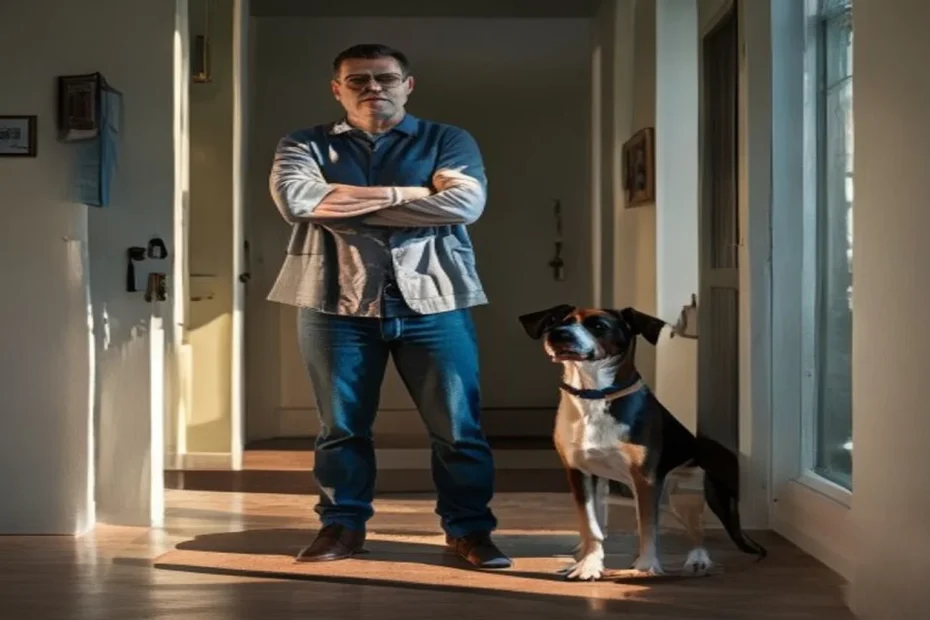
How to Teach Your Dog to Stop Jumping on People
Dogs jump on people to greet them. It’s social behavior, not aggression. The problem is that a jumping dog is annoying for guests, dangerous around children, and hard to manage in small apartment spaces. Teaching your dog not to jump is entirely achievable with consistent training — and it doesn’t require punishment.
💡 Key idea: Dogs jump because it works — people react with attention, even negative attention. Remove the reward and the behavior stops.
Why dogs jump
Jumping is how puppies get adult dogs to pay attention to them. They learned it works. When your dog jumps on you and you talk to them (“down!”, “stop it!”, “no!”), you’ve given them what they wanted: attention. Even negative attention is attention.
The training challenge is making jumping entirely unrewarding while making keeping four paws on the floor rewarding instead.
The training approach
1) Remove all reward when they jump
- Why it works: A behavior that produces no result gets extinguished.
- How to do it: When your dog jumps: turn your back completely, cross your arms, look away, say nothing. Zero eye contact, zero touch, zero words. Stand perfectly still until they stop jumping.
- Common mistake: Saying “no” or “down” while they jump. Words are attention. Silence is the message.
2) Reward the moment four paws touch the floor
- Why it works: Your dog needs to learn what to do instead. Four paws on the floor should be heavily rewarded.
- How to do it: The instant they stop jumping and all four paws are down, immediately turn toward them, say “good!” and give a treat. Timing is everything — reward within 1-2 seconds of the correct behavior.
- Common mistake: Waiting too long to reward. If you wait 5 seconds, you’re rewarding something other than the four-paws behavior.
3) Teach an incompatible behavior (sit)
- Why it works: A dog who is sitting cannot be jumping at the same time.
- How to do it: Ask for a sit when greeting. Reward the sit heavily. Practice at door arrivals: walk in, ask for sit before any greeting happens. Sit = attention and affection. Jumping = nothing.
- Common mistake: Greeting the dog before they sit. The greeting becomes the reward for rushing toward you excitedly.
4) Practice with guests
- Why it works: The behavior needs to generalize. A dog trained only with you may still jump on every visitor.
- How to do it: Brief your guests: ignore jumping completely, reward four paws with calm attention. Practice with different people over several weeks. Consistency from everyone matters.
- Common mistake: One household member allowing jumping “just sometimes.” Intermittent reinforcement actually makes the behavior harder to extinguish than consistent reinforcement.
Quick answers
How long does it take to stop jumping behavior?
2-6 weeks of consistent training for clear improvement. Some dogs respond in days; others take months. The variable is consistency — inconsistent training produces inconsistent results.
What if my dog jumps on strangers when on leash?
Manage first: keep the dog close and ask for a sit before any stranger approaches. Teach them that strangers who want to say hi stop approaching if jumping happens and come closer when sitting. Same principle, just managed through leash.
Can I use “off” as a command?
Yes. Teach “off” separately (lure them to get off furniture with a treat and mark the moment). Then use it as a cue during greetings. But “off” only works if the dog already knows it — saying “off” to a dog who doesn’t know it is just talking.
Checklist
- ☐ Turn back and ignore every jump — zero attention
- ☐ Reward four paws on ground immediately
- ☐ Ask for sit before greetings
- ☐ Brief guests on the protocol
- ☐ Practice with multiple people
Common mistakes
- Pushing the dog off while talking. You’re reinforcing the jump.
- Inconsistency between family members. One person allowing jumping undoes everyone’s work.
- Training only during scheduled sessions. Every greeting is a training opportunity.
Conclusion
Stopping jumping behavior is about removing the reward and replacing it with an alternative. The method requires patience and household-wide consistency. When it clicks, it’s rewarding for everyone — including the dog, who now knows exactly what to do to get the attention they want.
You might also like
- How to Teach Your Dog Basic Commands at Home
- How to Train a Dog to Be Calm When Guests Come Over
- Why Does My Dog Bark So Much?
FAQ
Is it okay to knee a dog in the chest to stop jumping?
Not recommended. Kneeing can cause injury and creates fear rather than understanding. Ignoring is more effective and kinder. The dog learns to stop jumping because it’s unrewarding, not because it hurts.

Jamie Cole is a content creator focused on practical pet care for apartment living. At NestPath, Jamie shares straightforward guides on cat and dog care, pet behavior, and making small spaces work for both owners and their animals. The goal is clear, judgment-free advice for everyday pet owners who just want to do right by their pets.