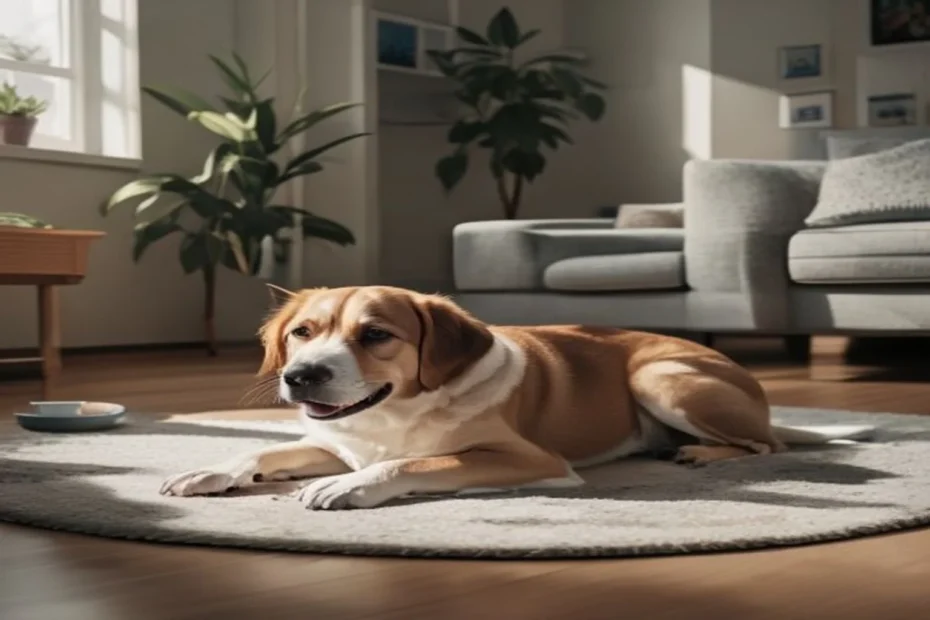
How to Build a Daily Routine That Works for You and Your Dog
A solid daily routine is one of the best gifts you can give your dog. Dogs thrive on predictability. When meals, walks, play, and rest happen at consistent times, they feel safer, behave better, and are easier to live with in an apartment.
Building a routine that actually works isn’t about strict schedules. It’s about finding a rhythm that fits your life and sticking to it most of the time.
Why routines matter so much for dogs
Dogs don’t understand time the way we do, but they have an excellent internal clock. After a few weeks of consistent feeding and walking times, your dog will naturally start to expect those moments. This predictability reduces anxiety and stops the begging, whining, and pacing that often come with irregular schedules.
Apartment dogs especially benefit from routine. They have less environmental stimulation than dogs with backyards, so the rhythm you create becomes their main framework for the day.
The core elements of a good daily routine
Morning walk and breakfast
Start the day with a walk before breakfast. A 15-20 minute walk lets your dog relieve themselves and burn some morning energy. Feeding after the walk teaches them that calm behavior leads to good things.
Keep walk times consistent within a 30-minute window. Your dog will start waking up around the same time naturally, which actually makes mornings easier.
Midday break
For apartment dogs, the midday break is critical. If you work from home, take 10 minutes to walk or play with your dog. If you’re out, hire a dog walker or use doggy daycare a few times a week. Dogs left alone for 8+ hours without a break get bored, anxious, and develop destructive habits.
Evening walk and dinner
The evening walk should be longer than the morning one — 30-45 minutes if possible. This is when your dog burns off the day’s energy and sets up for a calm evening. Feed dinner after the walk, same as in the morning.
Quiet evening time
After dinner, dogs need downtime. This is when they sleep, chew on a bone, or just relax near you. Resist the urge to over-stimulate them in the evening — calm time before bed sets up better sleep for both of you.
Quick answers
How strict should the schedule be?
Aim for consistency within 30-minute windows, not exact minutes. Real life has variations, and dogs handle reasonable flexibility well. What matters is that walks happen around the same time, not at 7:43 AM exactly.
What if my work schedule is irregular?
Create the most consistent routine you can within your reality. If you can’t be home at the same time, make sure someone (dog walker, neighbor, family member) provides the midday break. Predictability matters more than your specific schedule.
How do I know if my dog needs more activity?
Look for signs of restlessness: pacing, excessive licking, destructive behavior, difficulty settling down. These usually mean your dog needs more physical or mental stimulation. Increasing walk length, adding a play session, or introducing puzzle toys often resolves these issues.
Building the routine step by step
Don’t try to implement everything at once. Pick one routine element to establish first — usually morning walk time. Once that’s consistent for two weeks, add the next element. Within 6-8 weeks, the full routine should feel natural to both of you.
Use phone alarms or reminders for the first few weeks. Your dog will pick up the pattern faster than you, but the alarms keep you accountable while the habit forms.
Common mistakes to avoid
Inconsistency is the biggest one. Feeding at 7 AM Monday and 10 AM Tuesday creates confusion. Pick a time and stick to it.
Skipping the midday break for working dogs is another major issue. No matter how tired you are after work, evening play can’t compensate for 10 hours of isolation.
Overstimulating before bedtime makes for restless nights. Calm evenings lead to calm dogs.
Conclusion
A good daily routine is less about strict schedules and more about predictable patterns. Your dog learns what to expect, you have less stress managing them, and the relationship improves significantly. Start with one element this week and build from there.
You might also like
- How to Exercise Your Dog When You Live in an Apartment
- How to Walk a Dog When You Live in a High-Rise Building
- How to Help Your Dog Adjust to a New Apartment
FAQ
What about weekends and days off?
Keep meal times and morning walks reasonably consistent even on weekends. You can add extra activities like longer walks or trips to the park, but maintain the basic structure. Dogs get confused when weekends are completely different from weekdays.
How long until my dog adjusts to a new routine?
Usually 2-4 weeks for adult dogs. Puppies and dogs with anxiety might take longer. Be patient and consistent — the routine will stick eventually.
Should I always feed at exactly the same times?
Within a 30-minute window is fine. Exact times aren’t necessary, but big swings (3-4 hour differences) cause hunger issues, accidents, and behavioral problems. Aim for consistency, not perfection.

Jamie Cole is a content creator focused on practical pet care for apartment living. At NestPath, Jamie shares straightforward guides on cat and dog care, pet behavior, and making small spaces work for both owners and their animals. The goal is clear, judgment-free advice for everyday pet owners who just want to do right by their pets.