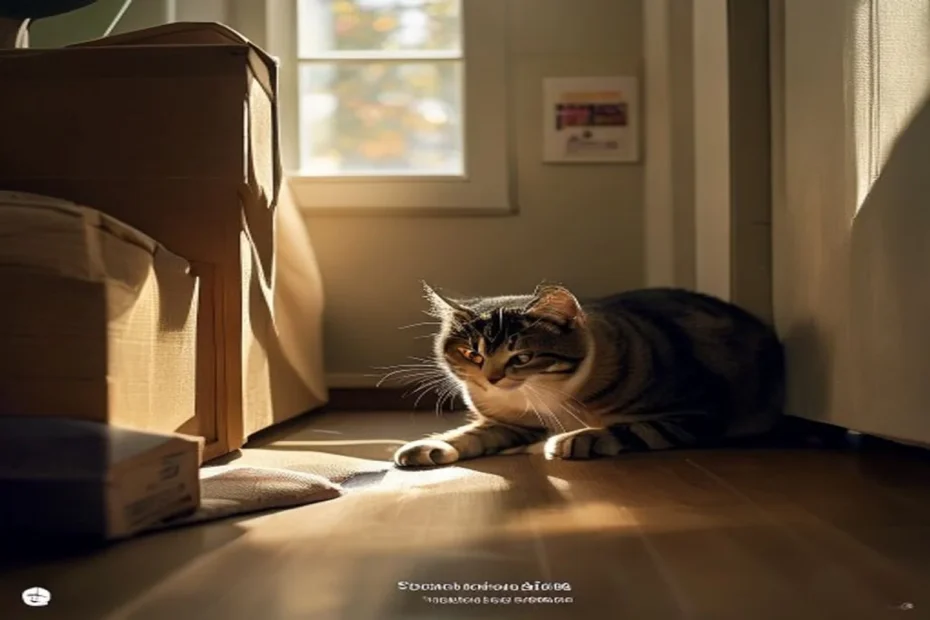
How to Calm a Stressed Cat After Moving to a New Apartment
Moving to a new apartment is one of the most stressful events in a cat’s life. Their entire territory has disappeared. Every smell, every sound, every spatial reference is gone. Some cats adjust in days; others take weeks or months. Knowing how to support them makes a real difference in how quickly they recover.
💡 Key idea: Don’t try to force adjustment. Create the conditions for your cat to adjust at their own pace. Safety and familiarity are the tools.
What your cat is experiencing
Cats use their territory’s scent to feel safe. In a new place, there’s no accumulated familiar scent — just alien smells. Your cat is in a foreign territory where anything could be a threat. Their natural response is either to hide (flight) or scan cautiously.
The stress doesn’t mean the move was wrong or that your cat won’t adapt. It means the process takes time.
What to expect in the first weeks
Days 1-3: hiding
Most cats hide. Under the bed, in a closet, behind furniture. This is normal and healthy — they’re surveying from a safe position. Don’t try to drag them out. Make sure food, water, and litter are accessible from their hiding spot.
Days 4-10: cautious exploration
Most cats begin exploring during quiet moments, often at night. You might hear them moving around when you’re asleep. This is progress.
Weeks 2-4: gradual normalization
Normal behavior patterns start returning: eating well, grooming, wanting attention. Still some wariness, but the apartment is becoming “theirs.”
Month 2-3: full adjustment
For most cats, the apartment feels like home. Some cats take longer; some cats carry residual stress indicators for months.
Active support strategies
Bring familiar items immediately
Your cat’s bed, their blanket, their toys — these smell like home and provide anchors. Put them in the room where your cat will spend the first days. Familiar scent is calming.
Use pheromone support
Feliway Classic diffuser plugged in near where the cat spends time releases synthetic feline facial pheromones — the “this is safe” signal cats leave by rubbing their faces on things. It doesn’t work dramatically on all cats, but it consistently helps reduce stress-related behaviors.
Maintain routine
Feed at the same times as before. Play at the same times. The routine provides predictability in an unpredictable environment.
Don’t force interaction
Let your cat approach you, not the reverse. Sit on the floor nearby and let them come to you when ready. Forced interaction when they’re scared damages trust and prolongs stress.
Keep visitors away early
No parties, no friends over for the first 1-2 weeks. New people compound the stress of the new environment. Give the cat time to settle before adding social complexity.
Signs the stress is becoming a health concern
Call a vet if you see:
- Complete food refusal for more than 48 hours (dangerous for cats — can cause hepatic lipidosis)
- Bloody urine or straining to urinate (stress triggers urinary issues in cats, especially males)
- Persistent vomiting
- Significant weight loss
- No improvement at all after 4+ weeks
Stress-related bladder issues (feline idiopathic cystitis) are common in post-move cats. Any urinary signs get immediate vet attention.
Quick answers
My cat won’t eat. How long should I wait?
Offer highly palatable food: canned food with strong smell, tuna, or chicken. Try different locations. A cat that goes 24 hours without eating needs encouragement; more than 48 hours without eating gets a vet call regardless of move stress.
My cat is hiding and hissing when I approach. What do I do?
Give space. Leave food near their hiding spot without requiring them to come out for it. Sit quietly nearby reading or working. Don’t stare — in cat body language, direct eye contact is threatening. Soft slow blinking signals safety.
Should I let my cat explore the whole apartment immediately?
No. Start with one room. Expand to the next room once they seem comfortable. The full apartment at once is overwhelming. Controlled, sequential territory expansion is less stressful.
Common mistakes
Forcing the cat out of hiding to “make them comfortable.” Confirms that the world is threatening and they can’t control their safety.
Having lots of guests over right after moving. Cat stress compounds.
Not watching for stress-related health issues. Moving stress can trigger real physical problems.
Conclusion
A stressed cat after a move is normal, not a problem you did wrong. Your role is creating safety and familiarity, then waiting. Most cats fully adjust within weeks. The ones that take longer typically have anxiety tendencies beyond just this move — and benefit from consistent calm routines and possibly veterinary behavioral support.
You might also like
- How to Move to a New Apartment With a Cat
- Common Signs of Stress in Cats and How to Help
- How to Help Your Cat Live Happily in a Small Apartment Long-Term
FAQ
Does keeping a consistent litter brand help?
Yes. Familiar litter smell helps establish the new box as theirs. Use the same brand and formula for at least the first month. Add a small amount of used litter from the previous box to help them recognize it as appropriate.

Jamie Cole is a content creator focused on practical pet care for apartment living. At NestPath, Jamie shares straightforward guides on cat and dog care, pet behavior, and making small spaces work for both owners and their animals. The goal is clear, judgment-free advice for everyday pet owners who just want to do right by their pets.