The Best Low-Maintenance Pets for Apartment Life (Beyond Cats and Dogs)
Not everyone can have a dog or cat in their apartment — or wants to. Lease restrictions, travel schedules, allergies, or simply preferring lower-maintenance relationships make alternative pets worth considering. Some options are excellent for small spaces, require minimal time, and still provide genuine companionship.
This guide covers realistic options with honest assessments of what they actually involve.
Fish: the true low-maintenance classic
Betta fish (fighting fish)
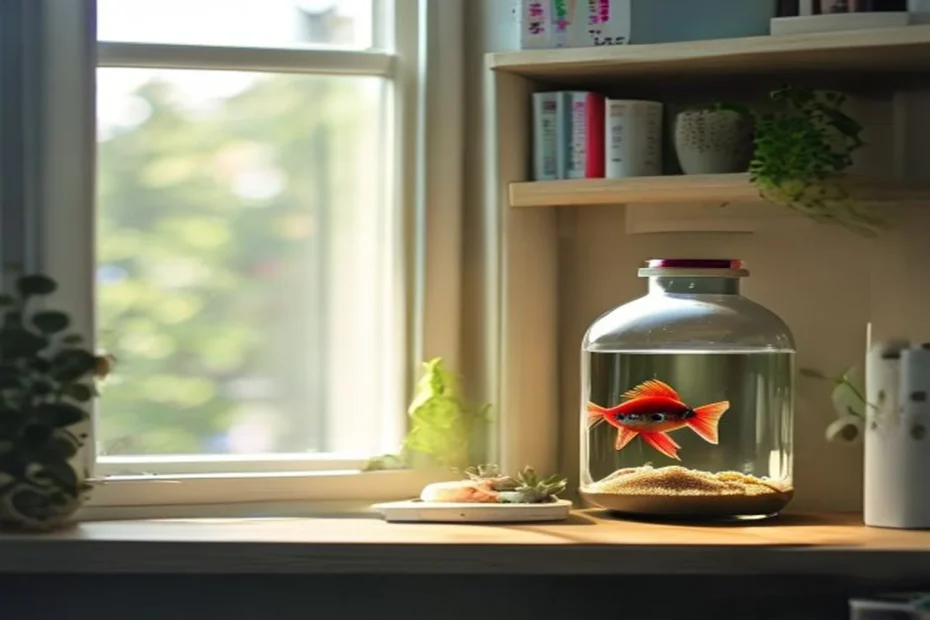
One of the best apartment pets. A single betta in a 10-20 liter tank requires: water changes once a week (10-15 minutes), feeding once daily, and a simple filter. No social needs, no noise, no smell. Can be left for weekends with an automatic feeder. Lifespan 2-4 years.
True effort level: 15 minutes/week once established. Setup costs $50-100. Maintenance about $5/month.
Community fish tank
More complex. Multiple species need compatible tank mates, larger volume, more stable water chemistry. Rewarding hobby but significantly more time than a single betta. Not truly “low maintenance” — it’s a medium-maintenance hobby that people enjoy.
Small rodents
Hamsters
Popular for apartments. Nocturnal, mostly self-entertaining, small footprint. Needs a large cage (bigger than most people realize: minimum 80 × 50 cm), exercise wheel, burrowing material. Interaction is limited — many hamsters don’t enjoy being handled much.
True effort level: 10-15 min/day feeding and spot cleaning, full clean weekly. Quiet except for nighttime running. Lifespan 2-3 years.
Gerbils
More social and active than hamsters. Come in pairs (better for them, and more entertainment). Slightly bigger cage needed. More curious and friendlier than hamsters.
Birds
Budgies (parakeets)
More interactive than fish or rodents. Budgies can learn words, enjoy music, and respond to their owners. Require daily social time (at minimum 1-2 hours out of cage for flight and interaction). Not truly low-maintenance, but lower than a dog.
Consideration for apartments: They make noise. Not loud, but continuous chirping throughout the day. Check tolerance and neighbor situation before getting one.
Canaries
Lower interaction than budgies. Kept mainly for their song. Don’t need handling, enjoy observing, need a decently sized cage. Males sing; females don’t. Good for people who want ambient living presence without much hands-on care.
Reptiles
Leopard geckos
One of the most beginner-friendly reptiles. Small (20-25 cm), nocturnal, don’t need UVB lighting (unlike most reptiles), can go 2-3 days without feeding. Quiet. Some enjoy handling; others merely tolerate it. Require a proper heated tank (28-30°C warm side).
Setup cost: $150-250 for proper enclosure and equipment. After that, minimal ongoing cost.
Crested geckos
Another good option. Room temperature (no heating needed in most apartments), eat primarily commercial gecko food (simple feeding), and handle well when acclimated. Arboreal — need height in their enclosure.
Rabbits
Often underestimated as apartment pets. Rabbits are quiet, can be litter trained (seriously — they use a litter box), and are very social and affectionate with their owners. They need space to run (at least 3-4 hours of free time daily), hay constantly available, and companionship (ideally come in bonded pairs).
Realistic assessment: Similar time commitment to a cat. More work than fish or small rodents. Better fit for people who want interactive companionship without a dog.
Quick answers
What’s the absolute lowest maintenance pet?
A well-set-up aquarium with hardy fish (betta, nano community). Once established, it’s a self-running ecosystem that needs 15 min/week of attention and is genuinely calming to observe.
Can I leave these pets for vacations?
Fish: auto-feeder for up to 1 week. Small rodents: need daily care, need a caretaker. Birds: need daily care. Reptiles: can go 3-7 days without feeding depending on age, but temperature and water need checking. Plan coverage before committing.
Do these pets provide real companionship?
Differently than dogs and cats. Fish provide calming ambient presence. Small rodents are entertaining to observe. Rabbits and some birds form genuine bonds. Reptiles vary by individual. The companionship exists but is a different kind than mammal pets.
What to ask yourself before getting one
- How much time can I realistically give daily?
- What happens when I travel?
- Am I committed for the full lifespan (fish 3-5y, rodents 2-3y, reptiles 10-20y, rabbits 8-12y)?
- Does my lease allow this specific pet?
Common mistakes
Underestimating setup. “Low maintenance” doesn’t mean “no investment.” Proper enclosures cost money.
Impulse buying based on appearance. Every animal has specific care needs that should be researched before purchase.
Getting a social animal (rabbit, gerbil) and keeping it alone. Causes stress and behavioral issues.
Conclusion
Apartment life can accommodate many pets beyond cats and dogs. The key is honest assessment of your time, budget, and what kind of companionship you want. A betta fish with a beautiful tank setup is excellent for low-maintenance presence. A rabbit is excellent for genuine interactive companionship. Know what you’re getting into before committing to any living creature.
You might also like
- How to Set Up a Small Space for a Rabbit or Guinea Pig
- Making Your Small Apartment Work for Both You and Your Pet
- The Best Dog Breeds for Apartment Living
FAQ
Are fish boring compared to dogs and cats?
A well-designed aquarium is genuinely mesmerizing. Many fish owners report reduced stress and anxiety from watching their tank. “Boring” depends on what you value — if interaction matters most, fish aren’t the right choice. If you value calm visual presence, they’re excellent.

Jamie Cole is a content creator focused on practical pet care for apartment living. At NestPath, Jamie shares straightforward guides on cat and dog care, pet behavior, and making small spaces work for both owners and their animals. The goal is clear, judgment-free advice for everyday pet owners who just want to do right by their pets.