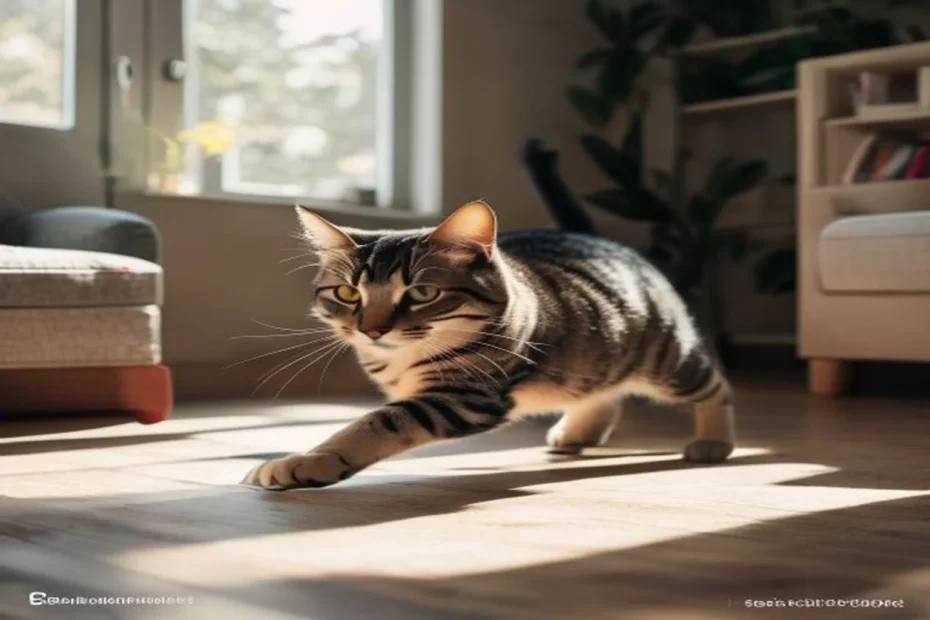
How to Make Sure Your Indoor Cat Gets Enough Exercise
Indoor cats often don’t get enough exercise. They have fewer reasons to move than outdoor cats, they sleep most of the day, and their environment doesn’t naturally provide the running, climbing, and hunting activity their bodies need. The result: obesity, joint problems, and behavioral issues.
Making sure your apartment cat gets enough exercise is mostly about creating opportunities. Cats won’t exercise on their own — they need stimulation.
How much exercise does a cat need?
Adult cats need about 30-40 minutes of active play per day, ideally split into two or three sessions. This is what would naturally happen if they were hunting — short bursts of intense activity, not sustained exercise.
Kittens need more, often closer to an hour total. Senior cats may need less but still benefit from regular activity to maintain mobility.
Effective play methods
Wand toys
The gold standard for cat exercise. The wand toy (also called fishing pole toy) lets you mimic prey movement — small things scurrying, fluttering, then hiding. This triggers your cat’s hunting instinct.
Move the toy realistically: not constantly, but with pauses and changes of direction. Erratic prey is more engaging than smooth motion. Let your cat “catch” the toy occasionally — sustained chasing without success is frustrating.
Laser pointers (with caveats)
Cats love chasing lasers, but the lack of physical “catch” can frustrate them long-term. If you use lasers, always end the session with a tangible toy they can actually capture — like a treat or stuffed mouse. This gives the hunt a satisfying conclusion.
Treat-based play
Roll a treat across the room and let your cat chase it. Hide treats around the apartment for them to find. This combines food motivation with movement.
Solo toys for self-play
Cats won’t entertain themselves for long with stationary toys, but rotating toys helps. Keep 5-10 toys and rotate 2-3 out at a time. Returning to “new” toys after a week of absence renews interest.
Some toys work for self-play: spring toys, small balls, crinkly tunnels, puzzle feeders.
Interactive feeders and puzzle feeders
Instead of putting food in a bowl, use a feeder that makes them work for it. Slow feeders, puzzle balls, hide-and-seek feeding stations all engage hunting instinct while controlling food intake.
Structuring play sessions
Time of day
Cats are crepuscular — most active at dawn and dusk. Play sessions at these times work with their natural rhythm. Morning play before you leave for work and evening play before bed are ideal.
Avoid playing right before sleep if your cat is the type that gets wired up afterward. End play 1-2 hours before you want them to settle.
Build the hunt arc
Real hunts have phases: stalk, chase, catch, kill, eat. Mimic this in play:
- Start the toy moving slowly to trigger stalking
- Speed up to start the chase
- Allow some “catches” during the session
- End with a clear “kill” moment
- Follow with food (small meal or treat)
This complete cycle is much more satisfying than random play.
Session length
10-15 minutes is usually right. Cats tire faster than dogs because their exercise is high-intensity sprinting, not sustained activity. When your cat starts slowing down or losing interest, end the session — pushing further makes them not want the next one.
Quick answers
What if my cat doesn’t seem interested in playing?
Try different toys. Cats have individual preferences — some love feathers, others prefer crinkle balls, others go for movement-only. Also, time of day matters; an alert cat plays better than a sleepy one.
Will two cats exercise each other?
Sometimes yes, sometimes no. Many cat pairs do play together regularly. Some don’t, especially if they’re different ages or temperaments. Don’t rely on this for your only cat’s exercise.
How do I know if my cat is getting enough exercise?
Signs of sufficient exercise: maintains healthy weight, settles calmly between activity bursts, sleeps well, shows interest in play when offered. Signs of insufficient: excess weight, restlessness, nighttime hyperactivity, attention-seeking destruction.
Beyond play: passive exercise opportunities
Cat trees and shelves
Climbing requires significant muscle work. A cat who climbs to her favorite high spot multiple times a day gets meaningful exercise.
Window watching
Mental stimulation isn’t quite the same as physical exercise, but engaged cats tend to move more. Window perches with views encourage activity.
Apartment layout
Spread food, water, and litter box to encourage walking. A cat who has to traverse the apartment between essential resources gets more movement than one whose needs are concentrated in one area.
Outdoor enclosures
Catios (enclosed outdoor spaces) provide stimulation that increases activity naturally. Even small balcony enclosures help.
Common mistakes
Free-feeding (food always available). Removes the reward aspect of “hunting” and contributes to obesity. Scheduled meals + interactive feeders work better.
Only using laser pointers. Frustration without resolution.
Stopping play too early. Some cats need a few minutes to engage. If you give up after 30 seconds, you miss the activation phase.
Conclusion
Indoor cat exercise is your responsibility — they won’t initiate it themselves. Two daily play sessions, varied toys, and an environment that encourages movement keeps your cat healthy and well-adjusted. The 30-40 minutes a day investment pays off in a cat who’s calmer, healthier, and happier.
You might also like
- The Best Ways to Keep Your Indoor Cat Entertained
- How to Help Your Cat Live Happily in a Small Apartment Long-Term
- How to Use Vertical Space to Make Your Apartment More Pet-Friendly
FAQ
Do older cats still need exercise?
Yes, with adjusted intensity. Senior cats benefit from gentle play to maintain mobility and weight. Shorter sessions, lower toys (no jumping), and softer movement. Even 5-10 minutes twice a day helps.
Is leash walking a viable exercise for cats?
For some cats, yes. Requires harness training and patience — most cats don’t naturally walk on leashes. Start indoors, then quiet outdoor spaces. Not for every cat, but for those who tolerate it, provides excellent enrichment.

Jamie Cole is a content creator focused on practical pet care for apartment living. At NestPath, Jamie shares straightforward guides on cat and dog care, pet behavior, and making small spaces work for both owners and their animals. The goal is clear, judgment-free advice for everyday pet owners who just want to do right by their pets.