How to Soundproof Your Apartment for a Noisy Pet (and Considerate Neighbors)
Living in an apartment with a vocal pet means dealing with two challenges: the noise reaching neighbors, and the noise from neighbors stressing your pet. Both can be reduced significantly without major renovations.
This guide covers practical soundproofing for renters and people who don’t want to commit to permanent changes.
Where most apartment sound leaks happen
Front door
Apartment doors are often poorly sealed. Gaps around the door let sound through easily. Your dog barking near the door reaches neighbors through these gaps.
Walls (shared with neighbors)
Standard apartment walls do reduce sound but don’t block it. Higher-frequency sounds (barking, meowing) pass through more easily than low-frequency ones.
Floors
If you’re not on the ground floor, sounds and impact (running pets, claws) reach the apartment below.
Windows
Single-pane windows let in significant outside noise. Trucks, sirens, and other disturbances stress noise-sensitive pets.
Practical soundproofing solutions
For the front door
Door sweep: attaches to the bottom of the door, seals the gap to the floor. 5-10 minute installation. Significant noise reduction.
Weather stripping: adhesive foam or rubber strips around the door frame seal the gaps where door meets frame. Easy to install, easy to remove if you’re renting.
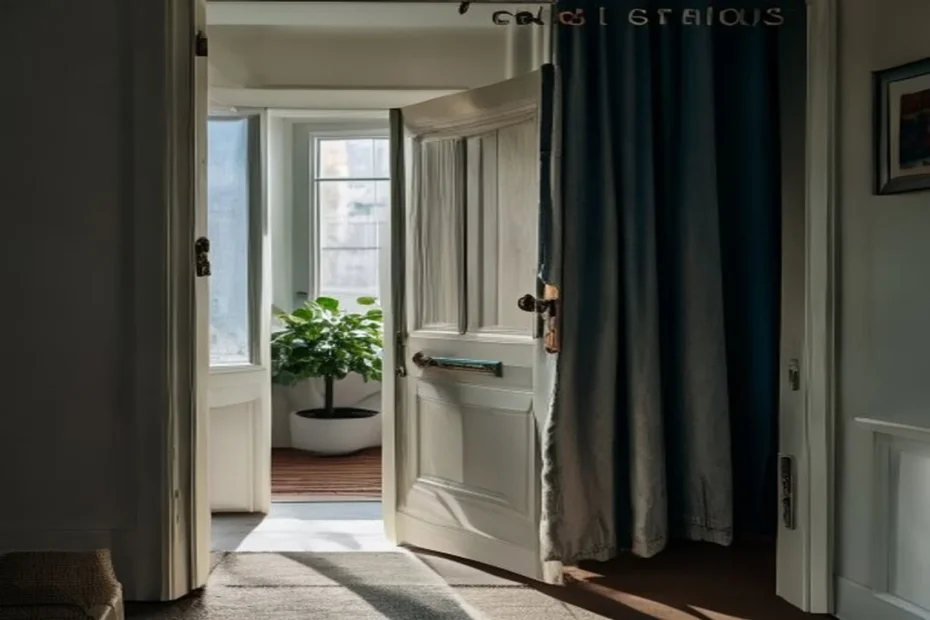
Heavy curtain over the door: a thick curtain hung over the door (inside the apartment) adds substantial sound dampening. Pull it across when you’re out or when you know noise is likely.
For shared walls
Acoustic panels: fabric-covered foam panels mounted with adhesive squares. Reduce sound transmission and look intentional rather than utilitarian. Place on the wall closest to neighbors.
Bookshelves filled with books: a full bookshelf against a shared wall significantly reduces sound transmission. Books are excellent sound absorbers.
Heavy curtains or tapestries: a fabric covering on a shared wall, especially in the area where your pet spends time, absorbs sound.
For floors
Thick rugs: wall-to-wall rugs reduce impact noise transmission significantly. Especially valuable in areas where your pet runs or where their claws make noise.
Rug pads: a quality rug pad under your rug doubles the sound absorption.
Furniture placement: heavy furniture (sofa, bookcase) on the floor absorbs more sound than empty space.
For windows
Heavy curtains: thick fabric curtains reduce both incoming and outgoing window noise.
Window seals: check for gaps around windows. Weather stripping or caulking (removable types for rentals) seals them.
Window inserts: for serious noise issues, acoustic window inserts go inside your existing window. Significant sound reduction; some cost more than $200 per window.
Helping your pet directly
Create a quiet retreat
A pet bed in an interior closet, behind furniture, or in a corner away from doors and windows gives your pet a place to escape outside noise. Many pets seek these spots themselves; make the space comfortable.
White noise
A white noise machine or fan masks both incoming and outgoing noise. Many pets find consistent white noise calming. Place near their resting area.
Address the bark trigger
If your dog barks at hallway noises (footsteps, elevator dings), training is more effective than soundproofing alone. Teach a “quiet” command or use a treat-based distraction when barking starts.
For separation anxiety barking
If barking only happens when you’re gone, the issue is anxiety, not noise. Address through gradual desensitization, environmental enrichment (puzzle feeders), and possibly professional help. Soundproofing alone doesn’t solve this.
Quick answers
How much can renters realistically reduce noise?
30-50% reduction is achievable with non-permanent solutions: door seals, heavy curtains, rugs, bookshelves. Beyond that requires permanent construction changes.
Do those “soundproof” pet beds work?
The pet beds with sound-dampening fabric do reduce some noise reaching the pet but don’t soundproof a room. They’re useful for noise-sensitive pets but won’t help with neighbor complaints.
What about complaints from neighbors?
Talk to them directly and politely. Acknowledge the issue, explain what you’re doing to address it, and offer your number for direct contact instead of formal complaints. Most neighbors appreciate the effort and become more understanding.
Combining solutions
No single solution eliminates noise. Combine multiple approaches for best results:
- Door sweep + weather stripping + door curtain (door area)
- Acoustic panels + bookshelves + heavy curtains (shared wall)
- Thick rug + rug pad + sound-absorbing furniture (floor)
- Heavy curtains + window seals (windows)
- White noise + quiet retreat + training (helping the pet)
Common mistakes
Trying to soundproof one element. Sound finds the weakest path. You need a combined approach.
Investing in expensive solutions before trying basics. Door seals and rugs cost little and make significant impact.
Ignoring the pet’s stress. If your pet is barking due to anxiety, soundproofing doesn’t address the underlying problem.
Conclusion
Soundproofing an apartment for a noisy pet is achievable for most renters with basic non-permanent solutions. Door seals, heavy textiles, rugs, and acoustic panels combined make a real difference. Plus addressing your pet’s behavior reduces noise at the source. The combination usually solves complaints from both directions.
You might also like
- How to Manage Pet Noise in an Apartment Building
- Why Does My Dog Bark So Much? Common Causes and Fixes
- How to Manage Separation Anxiety in Dogs and Cats
FAQ
Will my landlord be okay with these changes?
Most non-permanent solutions (rugs, curtains, adhesive door sweeps) don’t require permission. Permanent fixtures (acoustic panels with strong adhesive, drilled hardware) may need approval. Check your lease and ask before making questionable changes.
What’s the most cost-effective single change?
A good door sweep and weather stripping around the entry door. Total cost: $30-60. Often reduces noise transmission 25-40% by itself.

Jamie Cole is a content creator focused on practical pet care for apartment living. At NestPath, Jamie shares straightforward guides on cat and dog care, pet behavior, and making small spaces work for both owners and their animals. The goal is clear, judgment-free advice for everyday pet owners who just want to do right by their pets.