
How to Walk a Dog When You Live in a High-Rise Building
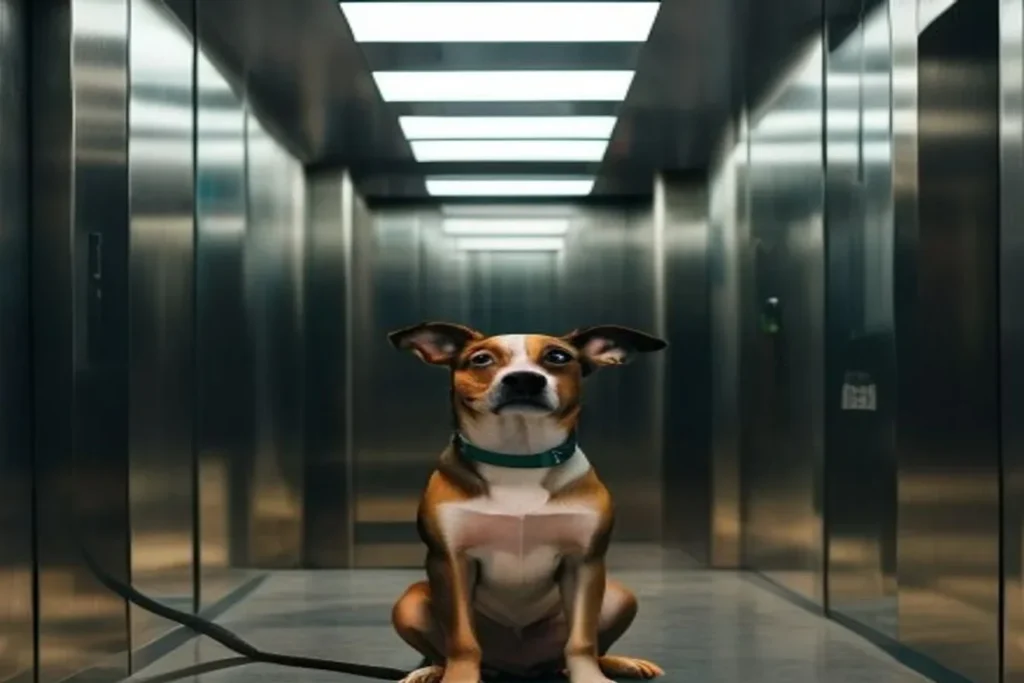
Walking a dog from a high-rise apartment adds a layer of logistics that house dog owners don’t deal with: elevator waits, long hallways, lobby crossings, and a dog that sometimes can’t wait. Making it work well takes a bit of setup and some routine adjustments, but it becomes second nature quickly.
The main challenge isn’t the height, it’s the time between “dog signals urgency” and “dog is outside.” You need to reduce that gap as much as possible, especially with puppies.
Setting Up a Routine That Reduces Accidents
Learn your dog’s pre-potty signals
Most dogs give a few minutes of warning before they truly can’t wait. Watch for circling, intense floor sniffing, squatting without going, coming to find you repeatedly, or restlessness after a nap or meal. Once you recognize your dog’s specific pattern, you can often start moving five to ten minutes before the real urgency hits.
The mistake most owners make is waiting until the dog is already squatting to grab the leash. By then there’s no time left to reach the elevator.
Keep everything by the door
Every second spent looking for the leash, bags, or shoes is a second closer to an accident in the hallway or elevator. Keep the leash on a hook right at the door, bags in a holder attached to the leash or on the same hook, and shoes in the same spot every time. Carry a spare bag supply in your pocket already, so a missing bag never becomes the reason you’re late. The goal is getting the leash on the dog in under thirty seconds from the moment you start moving.
The common slip here is keeping bags in a drawer in another room, which means hunting for them exactly when you don’t have time to.
Establish a fixed walking schedule
A dog’s digestive system adapts to a schedule. A dog fed at 7am typically needs to go within twenty to thirty minutes, and once you know that pattern you can plan the walk instead of reacting to urgency. Feed at fixed times, and walk within thirty minutes of every meal, right after waking, before bed, and around midday. The predictable rhythm reduces accidents because the dog’s body starts expecting the outdoor opportunity at those times.
Feeding at inconsistent times erases that predictability. If you can’t say when your dog last ate, you can’t say when it will need to go.
Train for elevator calm
Elevators are strange environments for a dog: small, enclosed, often with strangers, and doors that open without warning. A dog that’s anxious in there makes every walk harder. From puppyhood, practice calm sits with treats, reward heavily for staying still instead of jumping on other passengers, and keep the leash short so the dog stays close to you rather than exploring. Elevator manners usually settle in after a week or two of consistent repetition.
Letting the dog jump on or sniff strangers is easy to shrug off in a small building, but it turns into a real problem once the building has more foot traffic and more neighbors who’d rather not be greeted.
Have a bad-weather plan
Some dogs flatly refuse to go out in heavy rain or extreme cold, and without a yard to fall back on, a high-rise needs its own backup plan. A covered parking structure exit or an indoor relief area, which many high-rise buildings already have, works well. Pee pads in a bathroom or corner cover the emergency case, and raincoats or booties genuinely help reluctant dogs once they get used to wearing them.
Owners who skip this step usually find out why it mattered during the first serious rainstorm, when the dog refuses the door and there’s no backup in place.
High-rise walking questions
How do I manage a dog with a weak bladder in a high-rise?
For older dogs or those with bladder issues, increase the walking frequency. Four to five shorter walks instead of two to three longer ones reduces the holding time between outings. Talk to your vet about whether the issue is medical or behavioral.
Is it safe to walk a dog in a high-rise building if they’re afraid of elevators?
Yes, but it takes more work. Start with the elevator door open and offer treats at the threshold without entering. Gradually progress to short rides with heavy rewards. Most dogs lose the elevator fear within two to four weeks of consistent positive exposure. If you’re on a lower floor, stairs are an alternative during the training period.
What do I do if my dog has an accident in the elevator?
Clean it immediately if you can, and notify building management so it gets properly cleaned with enzymatic cleaner. The smell of residual urine in the elevator can trigger other dogs to mark the same spot. Most buildings have protocols for this, and the elevator gets cleaned between uses anyway.
What floor is too high for a dog in an apartment?
There’s no “too high” from a safety standpoint as long as the balcony and windows are secured. The practical issue is time to reach the outside, which even in a 30-floor building with a fast elevator is usually under three minutes. That’s manageable with good routine for adult dogs and manageable with higher frequency walks for puppies.
Cut the gap between signal and street
High-rise dog walking works once the habits around timing, preparation, and elevator manners are in place. The first few weeks take conscious effort: reading signals, organizing gear by the door, building elevator calm. After that it runs on autopilot, and most high-rise owners don’t find it much harder than a ground-floor routine.