How to Organize Pet Supplies in a Small Apartment
In this article
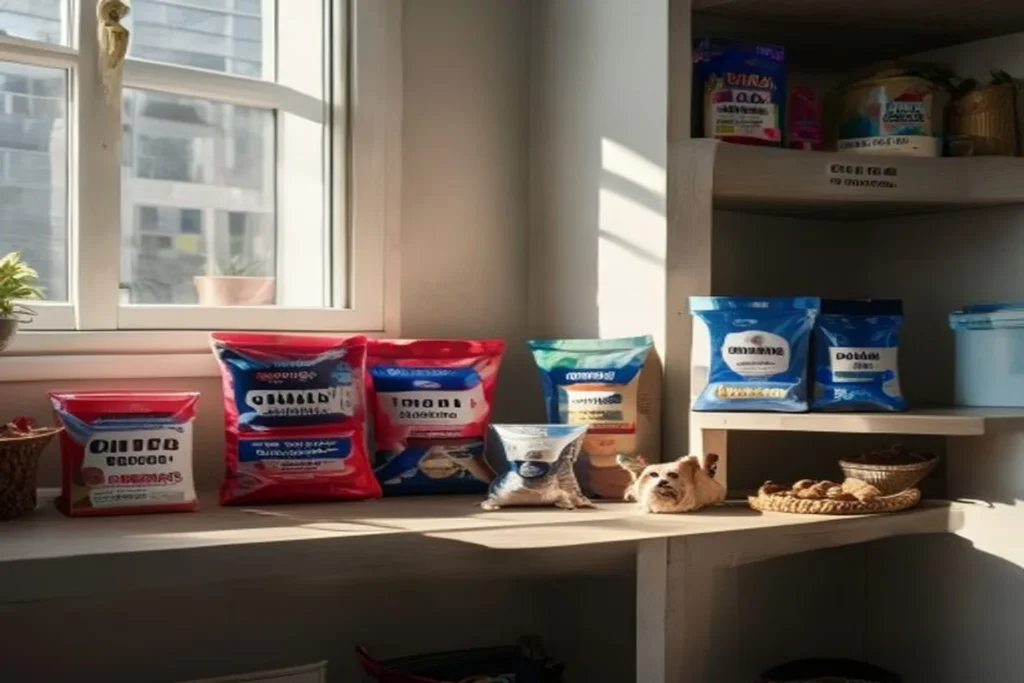
Pet supplies have a way of taking over a small apartment. Food bags, toys, leashes, grooming tools, litter supplies, before you know it, pet stuff is everywhere and the apartment feels cluttered.
The good news is that a bit of intentional organization goes a long way. Here’s how to keep pet supplies contained without dedicating half your living space to them.
Start by auditing what you actually have
Before buying any storage solutions, gather all your pet supplies in one place and do a quick audit. You’ll likely find expired treats, broken toys, duplicate items, and things your pet never uses.
Edit first. Then organize what’s left. It’s always easier to organize less.
The main categories to organize
Food and treats
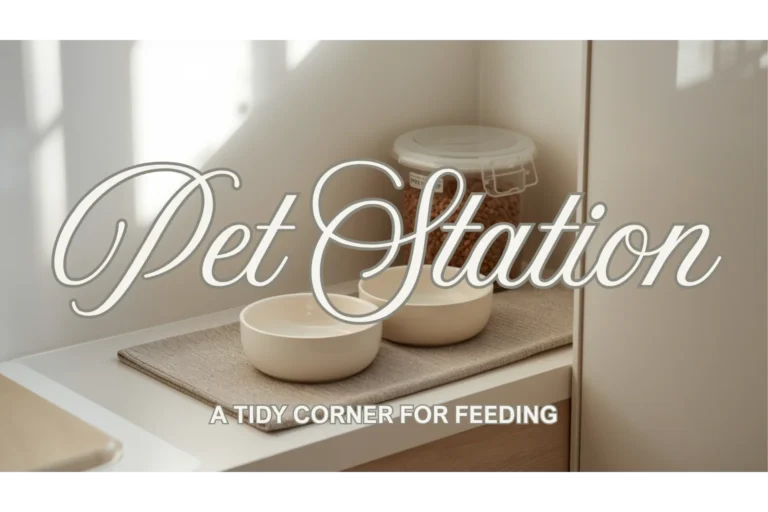
Dry food bags are bulky and awkward to store. Decant food into an airtight container with a lid: it takes up less space, stays fresher, and looks much better. A label with the brand name and feeding guidelines is useful if you have multiple people feeding the pet.
Store food in a low cabinet or on a low shelf, somewhere accessible but out of the main sight line.
Toys
A simple open basket or bin works better than any elaborate toy storage system. Pets can access it easily, it looks tidy, and it’s easy to sort through. One basket keeps toys contained without creating a dedicated “toy zone” that takes up floor space.
Edit the toy basket regularly: remove broken toys and anything your pet has completely lost interest in.
Leashes, harnesses, and walking gear
A hook near the front door is the simplest solution. One dedicated hook (or a small row of hooks) for the leash, harness, and waste bag dispenser keeps walking gear always accessible and out of the way.
Grooming supplies
Brushes, nail trimmers, and shampoo don’t need to be on display. A small pouch or a dedicated drawer organizer keeps them together and easy to find when needed.
Litter supplies (cat owners)
Store extra litter bags in a closed cabinet or closet, not in the open. A small container near the litter box (for the scoop and waste bags) keeps the area functional without looking messy.
One rule that keeps everything organized
Every item needs a designated place, and it always goes back there. The moment you let something sit “just for now” somewhere that isn’t its place, it creates a pile. Consistent return habits are what separate organized apartments from ones that look tidy one day and messy the next.
Storage questions from small-apartment owners
What’s the best way to store pet food in a small apartment?
Decant dry food into an airtight container and store it in a low cabinet. This saves space, keeps food fresher, and looks much better than an open bag. For wet food, keep opened cans covered in the refrigerator for no more than 3 days.
How do I keep pet toys from taking over the living room?
One dedicated basket in a corner is usually enough. At the end of the day, put toys back in the basket. Keep the basket stocked only with toys your pet currently uses, not everything you’ve ever bought.
Where should I keep the litter box in a small apartment?
In a bathroom corner or inside a cabinet with a cutout hole is the most common solution. Avoid the kitchen or living room. The goal is a quiet, low-traffic spot where your cat has privacy.
How do I deal with pet hair everywhere in a small space?
Regular brushing reduces shedding at the source. A lint roller near the door handles clothes before going out. A robot vacuum running daily keeps floors manageable without effort.
Is it better to have fewer pet products in a small apartment?
Usually yes. More products means more to store and more to maintain. Buy quality essentials that serve multiple purposes rather than accumulating specialty items your pet rarely uses.
Keeping pet clutter contained
Organizing pet supplies in a small apartment is mostly about containment and habit. Dedicated spots for each category, a regular audit to remove what you don’t need, and the habit of putting things back, those three things are enough to keep even a pet-heavy apartment feeling organized.