How to Exercise Your Dog When You Live in an Apartment
In this article
Living in an apartment doesn’t mean your dog has to live a sedentary life. With a bit of planning, you can keep a dog physically and mentally satisfied without a backyard, and without exhausting yourself in the process.
Here’s what actually works for exercising a dog in an apartment, regardless of the breed or your schedule.
How much exercise does your dog actually need?
The answer depends entirely on the dog. Age, breed, and individual energy level all matter more than any general rule.
- High-energy breeds (border collies, huskies, retrievers): 60-90 minutes of active exercise per day minimum
- Medium-energy breeds (spaniels, labradors, shepherds): 45-60 minutes per day
- Low-energy breeds (bulldogs, basset hounds, pugs): 20-30 minutes, with shorter, more frequent walks
- Puppies: shorter bursts more often: 5 minutes per month of age, twice a day
- Senior dogs: shorter, gentler walks: follow your dog’s cues
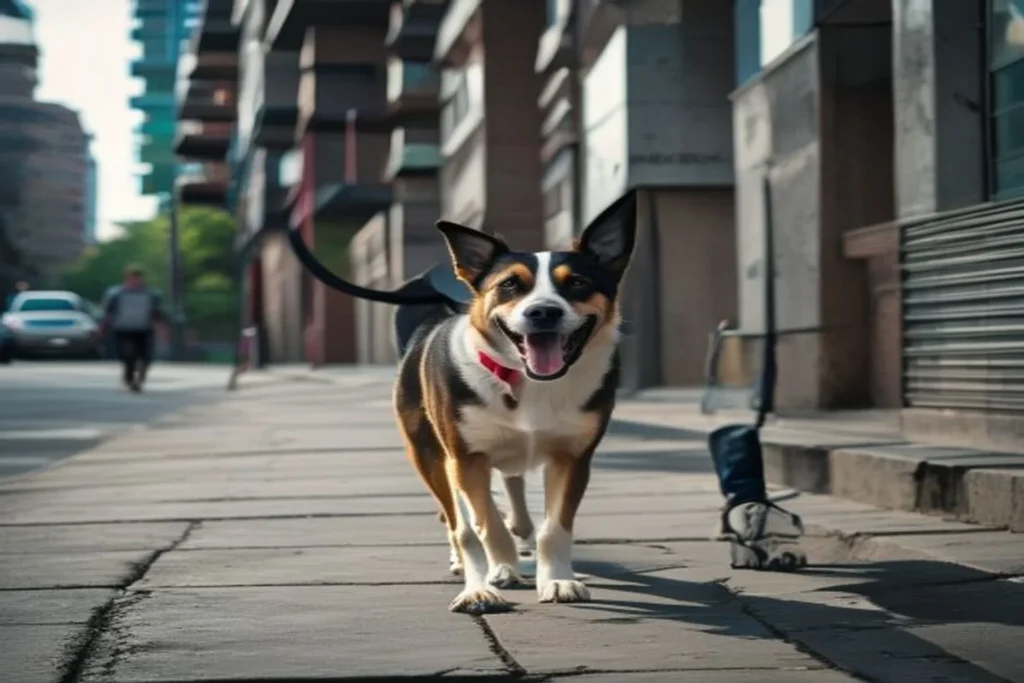
The daily walk: make it count
A walk isn’t just about burning energy, it’s about mental stimulation. Letting your dog sniff freely is more tiring than covering distance. A 20-minute sniff walk can tire a dog out more than a 40-minute brisk walk.
Let your dog lead the pace and stop to sniff as much as it wants, at least on one walk per day. This is sometimes called a “decompression walk” and it’s genuinely one of the best things you can do for your dog’s mental health.
Indoor exercise options that actually work
Tug of war
One of the most effective and under-used indoor exercises. A good tug session uses real physical effort and satisfies a dog’s natural prey drive. 10-15 minutes of active tug can make a real difference in energy levels.
Fetch in a hallway
If you have a long enough hallway or corridor, a soft ball works perfectly. Even 10 minutes of fetch indoors gives your dog a cardio burst without going outside.
Scent work and hide-and-seek
Hide treats around the apartment and let your dog find them. Or hide yourself and call your dog. Mental effort is exhausting for dogs: 15 minutes of scent work can be as tiring as a 30-minute walk.
Training sessions
Short training sessions (10 minutes) are mentally demanding for dogs. Teaching new tricks, practicing commands, or working on impulse control all tire a dog out while building your relationship.
Dog exercise questions apartment owners ask
Can a dog be healthy and happy in an apartment without a yard?
Yes. Thousands of dogs live happily in apartments. What matters is consistent daily exercise, mental stimulation, and attention, not yard access.
What are the best dog breeds for apartments?
Generally, calm, lower-energy breeds do best in apartments: French bulldogs, cavalier King Charles spaniels, shih tzus, pugs, and many mixed breeds. That said, individual temperament matters more than breed.
How do I exercise my dog when I can’t go outside?
Tug of war, hallway fetch, scent games, and training sessions are the most effective indoor options. Mental exercise through food puzzles and training can replace some physical exercise on days when going out isn’t possible.
How many times a day should I walk my apartment dog?
At minimum twice a day: once in the morning and once in the evening. Most dogs do better with three shorter walks than two longer ones.
My dog seems restless indoors even after walks. What am I missing?
Likely mental stimulation. A physically tired dog that isn’t mentally stimulated can still seem restless. Add training sessions, food puzzles, or scent games and you’ll usually see a difference.
Making it work without a yard
Exercising a dog in an apartment is completely manageable once you stop thinking about it as just walks. Combine outdoor walks (with plenty of sniff time) and indoor mental stimulation, and most dogs will be well-exercised and content. If you’re unsure whether your dog is getting enough activity, your vet is the best person to ask.